5 Things You Need to Know Before Planning an Event
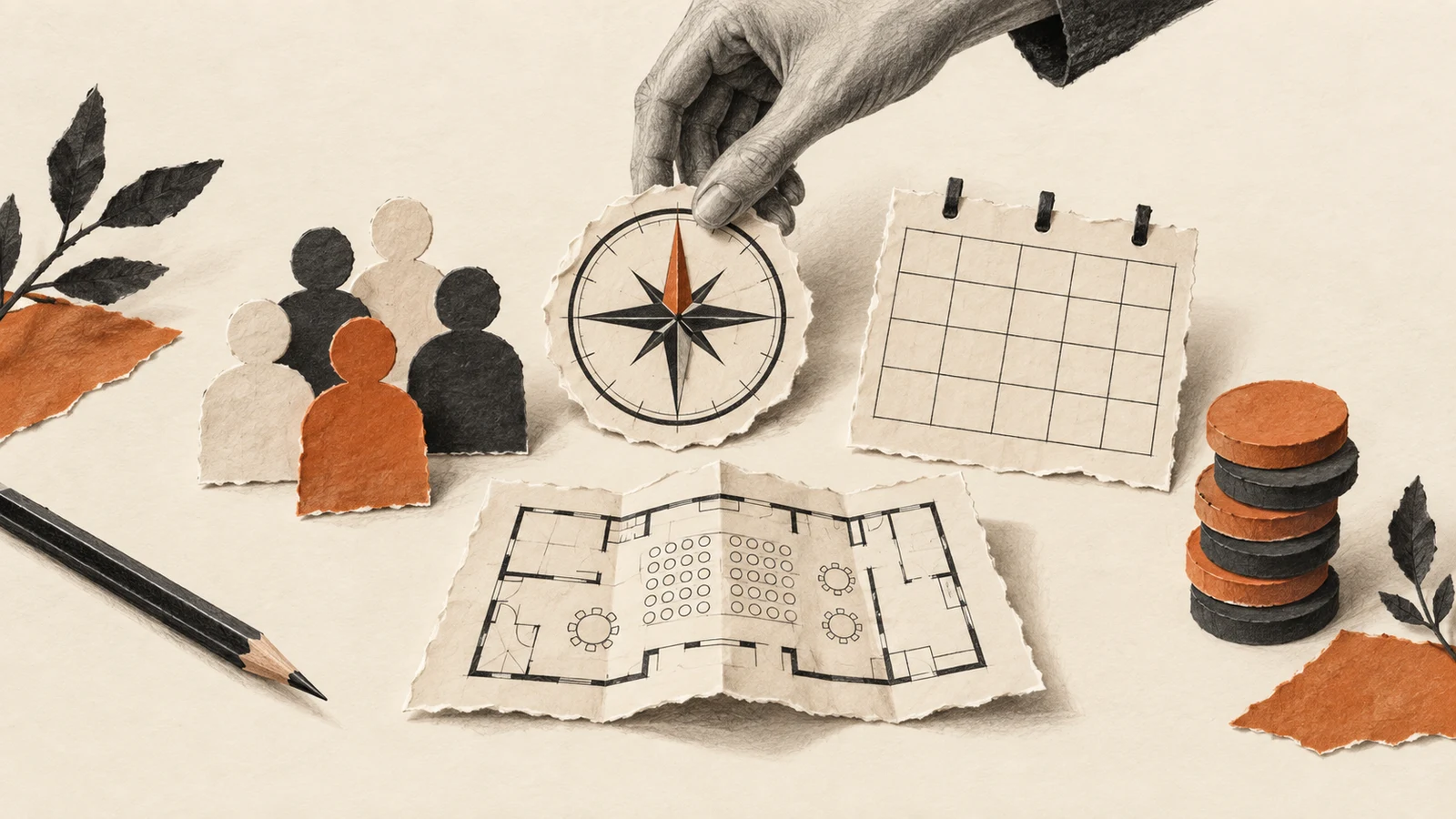
Great events don’t happen by accident—they happen by design. Whether you’re organizing a corporate conference, an industry gala, or a product launch, a well-planned event can create lasting impact and drive real results. Before diving into logistics, here are five essential things you need to know to set your event up for success. If you need one accountable partner to turn the brief into a working budget, timeline and run sheet, use our corporate event planner Singapore guide to compare the planning scope.
1️⃣ Define Your Event Goals First 🎯
An event without a clear goal is just a gathering. Before booking a venue or sending out invites, ask yourself:
- Is the goal to engage attendees, strengthen branding, foster networking, or drive revenue?
- What are the key takeaways you want your guests to leave with?
- How will you measure success—through ticket sales, audience engagement, or media coverage?
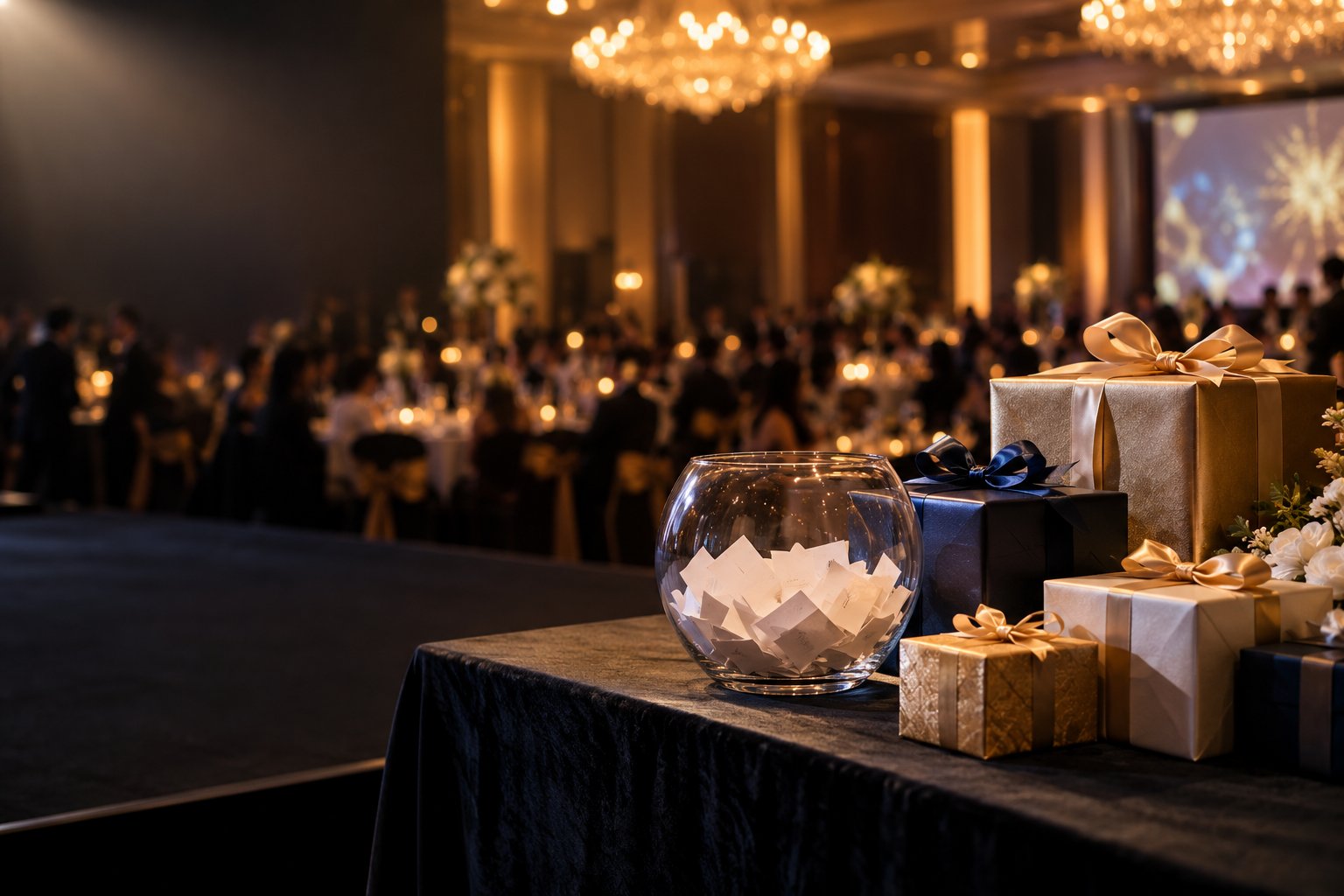
Your budget, venue, and event format should align with these goals. A networking event, for instance, may require a more casual and interactive setup, while a high-end gala or corporate dinner and dance may need an elegant seated arrangement.
2️⃣ Budgeting: Expect the Unexpected 💰
Every event planner knows that budgets never go as planned. The golden rule? Always allocate at least 10-15% extra for last-minute expenses.
What’s often overlooked in budgeting?
- Permits & Insurance – Essential for outdoor or large-scale events.
- Branding & Signage – Custom event materials, banners, and marketing collateral.
- Last-Minute Fixes – Extra lighting, additional seating, or unexpected guest needs.
If you need to cut costs, prioritize guest experience. Trim unnecessary extras but never compromise on sound, visuals, or seating comfort—these are the elements that guests will remember.
3️⃣ Venue & Logistics: Book Smart 📍
Your venue sets the stage for the entire experience. Book early to secure the best spot, especially during peak seasons.
Key factors to consider:
- Accessibility & Parking: Is it easy for guests to reach the venue? Are there clear directions and sufficient parking?
- Tech Setup: Does it support your AV, livestreaming, or presentation needs?
- Flow & Layout: Ensure smooth navigation for registration, networking, and breakout sessions.
Pro Tip: Never rely on venue photos alone—always do a site visit to check lighting, space, and real-time conditions.
4️⃣ Engagement Over Everything 🎤
An event isn’t just about gathering people in a room—it’s about keeping them engaged. Attendees should feel involved, not like passive spectators.
How to boost engagement:
- Live Polls & Q&As – Get real-time audience participation during key sessions.
- Gamification & Challenges – Add networking games or scavenger hunts to make interactions fun. Indoor team building activities are a great structured option for boosting energy levels.
- Social Media Activations – Encourage attendees to post and share using event-specific hashtags.
Remember: Long, monotonous speeches will lose your audience. Break up content with dynamic programming, live demos, and interactive elements.
5️⃣ Post-Event: The Work Isn’t Over Yet 📩
An event doesn’t end when guests leave the venue. How you follow up determines long-term impact.
Key post-event actions:
- Send Thank-You Emails – Show appreciation and keep engagement going.
- Share Event Highlights – Distribute photos, recap videos, and key takeaways.
- Measure ROI – Analyze success through attendee feedback, engagement metrics, and business impact.
A well-executed post-event strategy strengthens relationships and sets the foundation for future collaborations.
🎬 Final Thoughts
Event planning is more than just logistics—it’s about creating an experience that resonates. By defining clear goals, managing budgets wisely, securing the right venue, prioritizing engagement, and executing thoughtful follow-ups, you’ll set yourself up for a seamless and successful event.
Planning an event soon? Save this guide and let’s make it unforgettable! 🚀
Need Help With Your Next Event?
Get Out! Events is a Singapore event company. We specialise in dinner and dance, team building, family days, and corporate event management. Get a free quote →
Looking for professional event management in Singapore? Talk to Get Out! Events about your brief.
Turning general event advice into an actual corporate plan
Most event advice sounds useful until the organising team has to turn it into a budget, approval paper and event-day run sheet. A practical corporate event plan should answer five questions clearly: what the event is meant to achieve, who the audience is, how the programme will flow, what constraints the venue creates and what decisions must be made before suppliers can quote accurately.
In Singapore, those constraints are often concrete. Ballroom access may be limited. Outdoor plans need weather alternatives. Government and enterprise buyers may need procurement documentation. Family days need crowd comfort and age range planning. Team building needs facilitation that fits the group size and culture. Dinner and dance events need entertainment that works around food service, speeches and prize segments.
What Get Out! Events would clarify first
Before recommending a format, Get Out! Events would usually clarify pax, event date, venue status, programme duration, budget range, audience profile, stakeholder expectations and any fixed items such as speeches, award segments, catering or sponsor requirements. With that information, the proposal can move from generic event inspiration to a working plan with scope, timeline, manpower and contingency assumptions.
Practical checklist before you act on this event guide
Use this page as a planning filter, not just as background reading. Before asking any vendor for a quote, write down the event objective, expected headcount, preferred date, venue status, budget range, decision deadline and the people who must approve the final recommendation. These details change the format, manpower, timeline and risk profile of the proposal.
For Singapore corporate events, the most common mistake is comparing ideas before the constraints are clear. A team activity for 40 people in an office has a very different operating plan from a 300-person event in a hotel ballroom. A virtual event with one speaker does not need the same production layer as a hybrid town hall with remote presenters. A corporate dinner needs entertainment that respects food service and speeches. A family day needs comfort, shade, access and age-range planning.
Questions to ask before shortlisting a vendor
- Audience fit: Does the recommendation suit the seniority, department mix, language comfort, mobility and energy level of the group?
- Venue fit: Has the organiser checked space, access time, AV, power, rain cover, registration flow, food timing and crowd movement?
- Manpower: Who is on-site, who leads the briefing, who manages suppliers, who handles changes and who owns the final run sheet?
- Budget clarity: Does the quote separate mandatory scope from optional upgrades, and does it state what is excluded?
- Fallbacks: What changes if attendance increases, the weather turns, a speaker is late, a venue rule changes or the programme overruns?
How Get Out! Events would turn this into a proposal
Get Out! Events would start by clarifying the brief and then matching the format to the real operating conditions. That means looking at the goal of the event, the people attending, the available time, the venue, the likely approval path and the level of support required on the day. The output should not be a generic package pasted into a PDF. It should be a practical recommendation with a clear event flow, assumptions, inclusions, manpower notes and next decisions.
If you already have a venue, date or rough budget, share those details early. If you do not, share the objective and expected headcount first. The team can then recommend whether the next step should be a shortlist of formats, a venue-fit check, a budget range, a sample run sheet or a full proposal. This keeps the planning conversation useful and prevents the common problem of comparing ideas that were never scoped against the same brief.
When to move from research to enquiry
Move from reading to enquiry once you know the event type, rough group size and desired month. Even if the brief is incomplete, an early conversation can prevent wasted time by ruling out formats that do not fit the venue, budget or audience. For urgent events, the first call should focus on feasibility: what can be delivered well with the time available, what should be simplified and which decisions must be made immediately.