Get Out! Tips: 3 Secrets to Hosting Memorable Corporate Events
1. Start with a clear purpose and guest journey
Start with the business objective, guest profile, expected attendance, budget range, approval timeline, and why this event format or venue is being considered. Without those details, vendors cannot assess whether their proposal meets the brief.
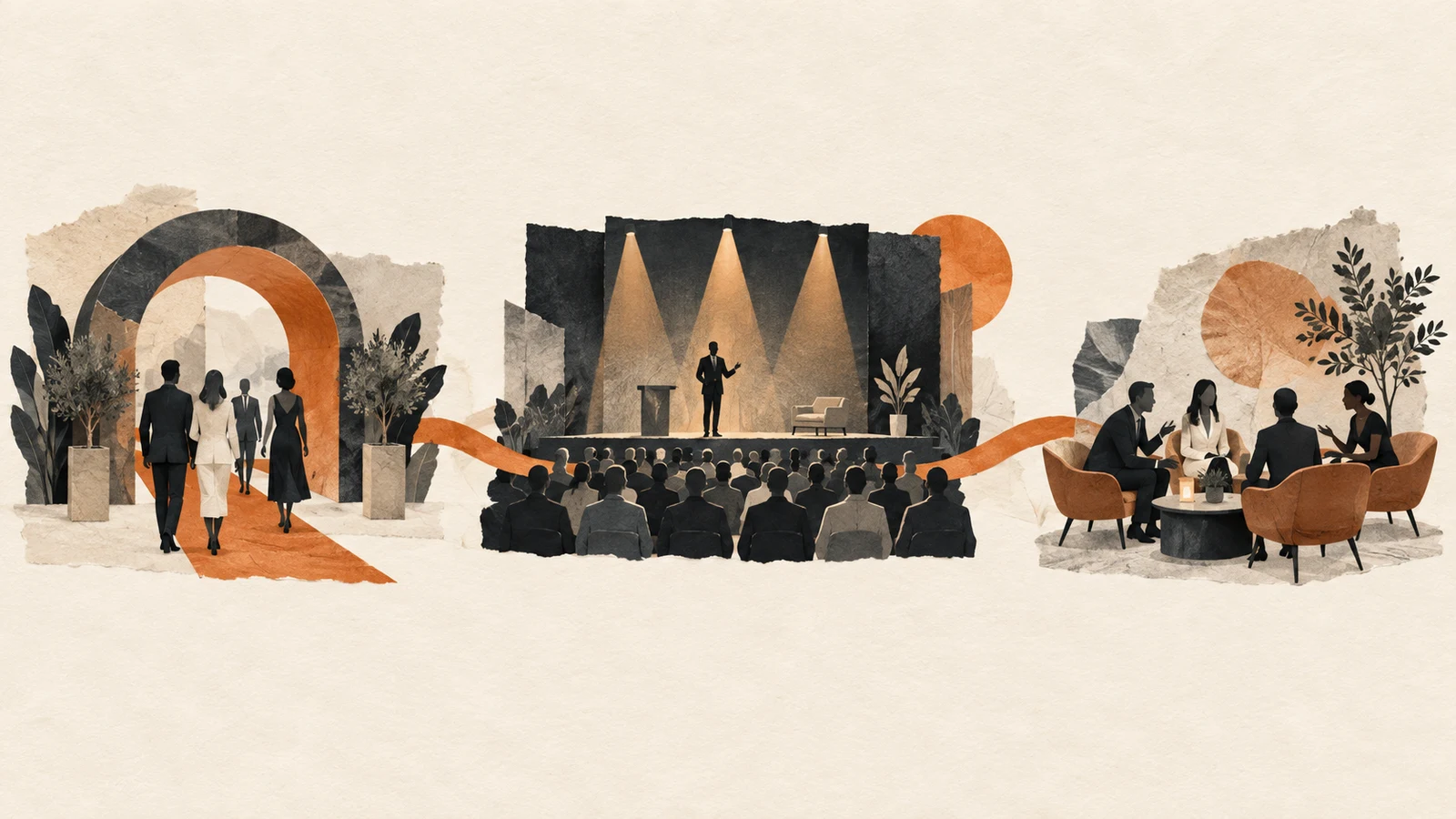
The next layer is the guest journey. Confirm how guests receive information, where they arrive, how registration works, where the programme starts, how people move between segments, and what they should remember after leaving. This is the difference between listing an event idea and planning an event people can actually experience smoothly.
Operational checks should include supplier access, setup timing, room layout, AV needs, signage, holding areas, catering flow, photography points, wet-weather options, teardown timing, and who can approve last-minute changes. These details prevent avoidable confusion on the event day.
The organiser should also prepare a simple responsibility map. One owner should watch the guest experience, one should coordinate suppliers, one should manage programme timing, and one should handle internal stakeholder decisions. Clear ownership lets the host team focus on guests instead of becoming the emergency coordination desk.
After the event, keep a short debrief with what worked, what changed onsite, what guests asked for, and what should be improved. That record helps the company reuse the learning for future events instead of starting from memory each time.
Service-level scope, procurement, and delivery checks
For a managed event service, define the scope in the brief. Confirm whether the proposal includes concept development, event management, venue liaison, AV coordination, registration support, onsite manpower, rehearsal time, supplier management, photography, contingency coverage, and post-event closeout. Two quotes can look similar while covering very different levels of work.
Separate essentials from optional upgrades. Essentials protect the event outcome: reliable sound, guest flow, registration, manpower, timing control, safety, and vendor coordination. Optional upgrades may improve styling, entertainment, premium hospitality, media capture, or brand impact. This distinction helps leadership approve the right scope without cutting the pieces that make the event work.
The agency should name the top event-day risks and the recovery plan for each one. Common risks include delayed setup, unclear registration, late VIP arrivals, weather changes, AV requests, slow meal service, supplier access issues, and programme overruns. A good organiser does not pretend these problems never happen; they plan for them early.
For procurement, the final recommendation should explain both cost and operating logic. The company should know what is included, what is excluded, who owns each decision, when deposits or approvals are needed, and what could change the final price. This makes comparison fairer and reduces late-stage surprises.
The planning file should include the approved scope, run sheet, supplier contacts, venue rules, guest communications, risk notes, and post-event feedback. This gives future organisers a reusable starting point and helps the company improve recurring events over time.
Use these checks to understand the work behind the event, the decisions that need to be made, and the operational details that protect the guest experience.
Before the final briefing, review the plan with the internal owner. Confirm the guest count, agenda, supplier arrival times, stage cues, dietary requirements, signage, emergency contacts, and approval path for last-minute changes. This final review is what turns planning into a calm event-day execution.
A memorable corporate event starts with a clear reason for gathering people. The team should know whether the goal is appreciation, alignment, product education, networking, culture-building, or client engagement. Once the goal is clear, every planning choice becomes easier: venue, programme, emcee, food, entertainment, timing, guest communications, and post-event follow-up. The organiser should also design the event around the guest journey. Guests need clear invitations, simple arrival instructions, smooth registration, visible hosts, a programme that starts confidently, and transitions that do not feel confusing. For internal events, the most memorable moments often come from recognition, shared stories, leadership presence, and small details that make employees feel considered. For client events, the strongest moments usually come from relevance, hospitality, and useful conversations rather than decoration alone. Operationally, the event team should prepare a run sheet, supplier list, contact matrix, venue rules, AV checklist, contingency plan, and post-event debrief. These tools are not paperwork for its own sake. They keep the event calm when timing changes, guests arrive early, suppliers ask questions, or stakeholders request adjustments. A strong corporate event feels effortless to guests because the difficult coordination has already happened behind the scenes.
2. Give the programme a clear pace
Pacing matters. Memorable events usually have a clear opening, enough time for people to settle, one or two strong moments, and a close that feels intentional. Trying to overload the agenda often makes the experience weaker. The organiser should decide which moments deserve attention and which details should stay simple.
3. Make every choice relevant to the audience
Relevance matters. Entertainment, games, speeches, food, and venue styling should match the audience. What works for a leadership dinner may not work for a family day or sales kickoff. The best event companies pressure-test these choices early, then build a run sheet that protects the experience. After the event, collect feedback, review the timeline, and note what should change next time. That makes every corporate event more useful than a one-off production.
Supporting habit: follow through after the event
Follow-through supports all three principles. A memorable event should not end when guests leave the room. Send useful photos, thank key participants, capture feedback, review supplier performance, and document what should change next time. This is how a company builds a stronger event playbook over time. The best organisers make this easy by preparing a closeout summary with attendance, timing notes, guest comments, vendor observations, and recommendations. That record helps future events become smoother, more relevant, and more cost-effective.
Turn every completed event into a reference for the next one. Save the run sheet, photos, supplier list, actual timing, guest feedback, budget notes, and lessons learned. This gives the company a stronger starting point for future townhalls, dinners, conferences, launches, and staff events. Over time, the event programme becomes more consistent, less stressful, and more valuable to the organisation.
Practical takeaway for memorable corporate events: start with the behaviour you want after the event, then design backwards into the programme. If the goal is stronger team trust, the format needs shared decisions and reflection. If the goal is client confidence, the flow needs hospitality, pacing, and proof of care. If the goal is staff appreciation, the experience should remove friction from arrival to finale. The event becomes memorable when every operational choice supports one clear outcome.
For Get Out! Events, this is why event planning is treated as operations work first and creative work second. Ideas matter, but the experience only lands when registration, AV, manpower, venue flow, supplier access, briefing documents, contingency planning, and the client approval path are all lined up before event day. The memorable moments usually look effortless because the operational details were settled early.