Team Building for Small Groups Singapore: Best Activities for 5-20 People (2026)
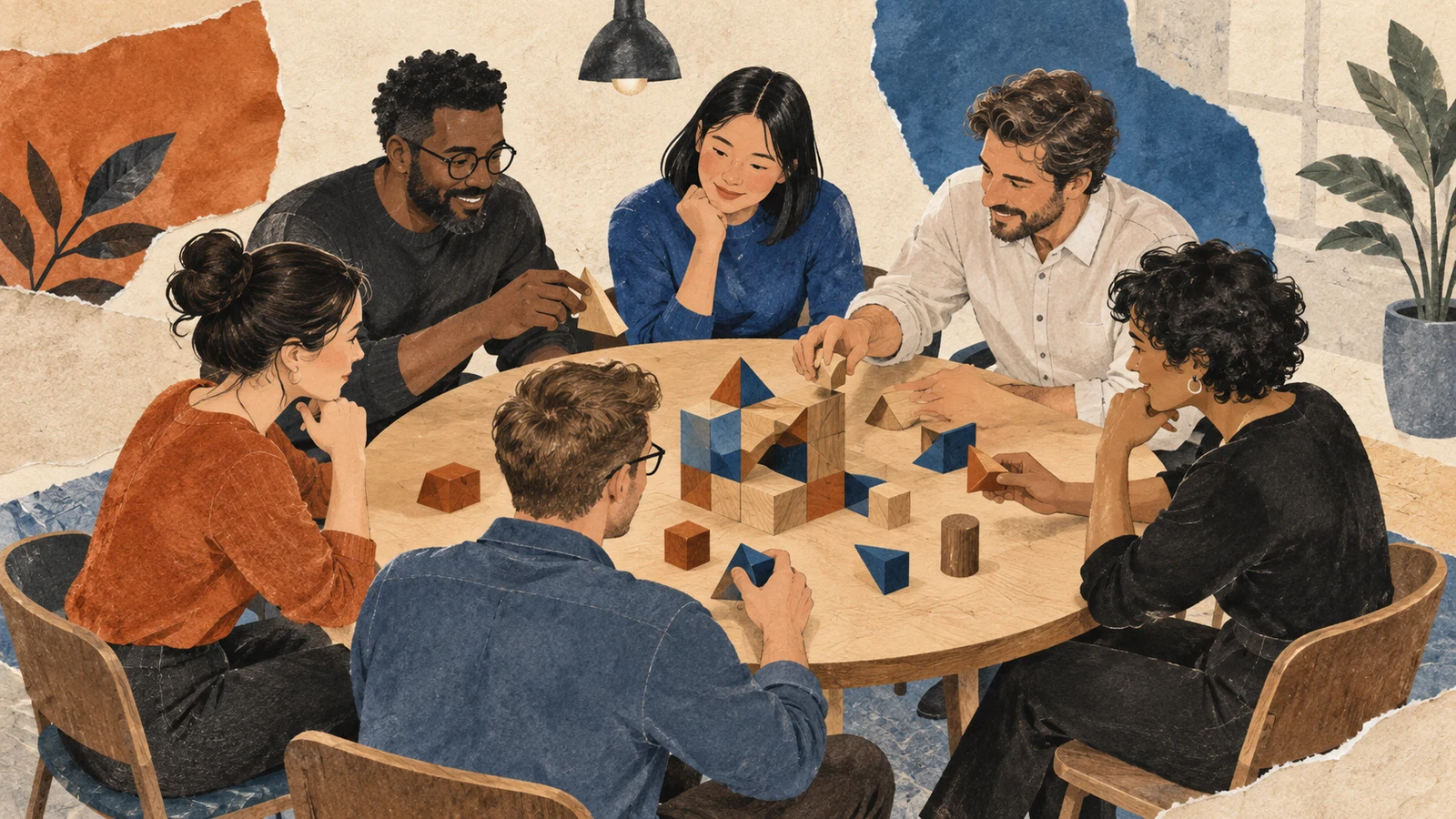
Small teams can make room for conversations that are difficult in a large crowd. When planning team building for small groups in Singapore, focus on shared interests, access needs and ways for everyone to contribute comfortably, rather than assuming a small headcount guarantees connection.
This guide compares ten activity ideas for a team of 5 to 20 people. Treat that as the intended audience for the guide, not a confirmed booking capacity at every venue. Check current group limits, session duration and inclusions with the operator before booking.
Planning something bigger? Check out our Top 50 Team Building Activities in Singapore guide for large group options, or explore our indoor team building Singapore page for full wet-weather alternatives.
Why Small Group Team Building Hits Different
Small groups can make introductions, discussion and debriefs easier to manage. Use that opportunity deliberately:
- Participation: Give each person a meaningful role and an option to pass or contribute in a different way.
- Conversation: Allow time to talk without requiring personal disclosure.
- Venue choice: Explore studios and private rooms, checking usable space and access needs.
- Cost: Check minimum spends and private-booking fees; a smaller group does not automatically cost less per person.
- Customisation: Ask whether prompts or team challenges can be adapted to your objectives.
Use the activities below as a shortlist. Obtain a written quote covering the actual group size, activity, facilitation, equipment, venue, food, GST and any service charges. The planning tips are suggestions rather than operator promises.
1. Escape Room Challenge
Booking checks: Confirm the private-group minimum and maximum, total price and session length for your team.
Why It Works for Small Groups
Choose a room whose permitted player count fits the group. For larger teams, ask whether simultaneous rooms are available and plan a shared debrief afterwards. Make sure the game offers enough tasks for everyone who wants to take part.
What to Expect
Compare the actual room theme, difficulty, accessibility and content warnings. Confirm the game time separately from the full booking slot, which may include briefing and debrief. Ask about an early-exit option for anyone uncomfortable in an enclosed or horror-themed setting.
Team Dynamics
A puzzle challenge can prompt discussion about how people share information and ask for help. Use the debrief to compare approaches without labelling colleagues by their performance in one game.
Logistics
For groups of 10–20, ask about room capacities and simultaneous starts before splitting the booking. Confirm whether private use, a game host, photographs and a debrief space are included.
Pro Tip
Check availability as soon as you have a preferred date. Compare weekday and weekend quotations on the same scope instead of assuming a discount.
2. Cooking Class
Booking checks: Confirm the private-group minimum and maximum, total price and session length for your team.
Why It Works for Small Groups
Cooking is the original team activity. You work in stations, you depend on each other’s timing, and you eat the results together. For small groups, a cooking class becomes genuinely intimate — you’re working side by side, having real conversations while chopping, stirring, and tasting.
What to Expect
Choose a cooking studio by the menu, workstations, chef support and dietary arrangements it can confirm. For example, pair participants for preparation and agree who handles timing, plating and cleanup before sharing the meal.
Team Dynamics
Cooking classes naturally create roles without forcing them. Someone takes the lead on timing, someone else becomes the quality-taster, someone else keeps the station tidy. These micro-leadership moments are organic and often surprising — and they’re remembered long after the meal is digested.
Logistics
Collect dietary restrictions and allergies before choosing the menu. Ask about halal certification where needed, ingredients and cross-contact precautions; do not assume a studio can accommodate every requirement. Confirm the deadline for changes and whether the class will be private.
Pro Tip
Choose a cuisine your team doesn’t know well. Unfamiliarity levels the playing field — your head of finance and your newest hire are equally clueless about making pâté, which creates a delightful dynamic.
3. Wine (or Craft Beer/Whisky) Tasting
Booking checks: Confirm the private-group minimum and maximum, total price and session length for your team.
Why It Works for Small Groups
A guided tasting is conversation-first. You’re seated together, exploring something new, sharing opinions, and (usually) getting pleasantly relaxed. For small teams, it strips away the formality of work and creates space for genuine connection. The shared activity of learning something together — even if that something is tannin levels — is powerful.
What to Expect
Choose a guided wine, beer, whisky, tea or other non-alcoholic tasting according to the preferences of the team. Ask what is served, who leads the session and whether everyone can participate meaningfully without drinking alcohol. Avoid making alcohol consumption a condition of joining.
Team Dynamics
Tastings generate opinions. Opinions generate debate. Debate, in a relaxed setting with good drinks, generates laughter and connection. People reveal personality through their taste preferences in ways they never would in a meeting room.
Logistics
Offer a non-alcoholic format or an equally considered alternative, and confirm it before booking. Plan transport and a sensible finish time; do not combine alcohol with driving or a safety-sensitive activity.
Pro Tip
Add a “blind tasting challenge” element: team members try to identify wine varieties, regions, or price points. Turn it into a scoring game. The results are usually hilariously wrong and memorable.
4. Board Game Tournament
Booking checks: Confirm the private-group minimum and maximum, total price and session length for your team.
Why It Works for Small Groups
Board games are purpose-built for small groups. The best modern strategy and social games hit their sweet spot at 4–8 players — which maps perfectly onto a small work team. Unlike digital games, board games demand face-to-face communication, reading body language, and real-time negotiation.
What to Expect
Select games by their published player count, complexity and expected play time. Codenames can support team discussion; a cooperative game can provide a shared objective. Ask whether staff can teach the rules, and choose a non-deception option for colleagues who dislike bluffing games.
Team Dynamics
Use the game as a starting point for discussion, not a test of personality or workplace trustworthiness. Rotate groups and invite participants to reflect on communication or decision-making choices they noticed.
Logistics
Ask for a quote covering table or room use, play time, game facilitation, food and beverages. Confirm minimum spend, overtime and the cancellation deadline before committing.
Pro Tip
Run a mini-tournament format: two games simultaneously, then winners advance to a final round. Add a trophy or ridiculous prize for the winner — a literal plastic crown works perfectly.
5. Hiking and Nature Challenge
Booking checks: Confirm the private-group minimum and maximum, total price and session length for your team.
Why It Works for Small Groups
Hiking is one of the most natural bonding experiences available — and Singapore’s green corridors are surprisingly rich. Small groups can move together at a comfortable pace, stopping for genuine conversations along the way. Unlike activities in a venue, hiking removes the artificial “team building” feel and replaces it with something real.
What to Expect
Consider a route at MacRitchie, Bukit Timah or the Southern Ridges only after checking the current official trail map, openings and notices. Choose distance, terrain and rest points around the least mobile participant who wishes to join; provide an alternative activity where needed.
Team Dynamics
The physical challenge of hiking creates shared experience and mutual encouragement. Faster walkers support slower ones. Conversations happen naturally at a pace that office settings rarely allow. Navigation decisions create micro-leadership moments. The post-hike hawker centre lunch is often where the real team building happens.
Logistics
Check the NParks TreeTop Walk visitor information before choosing your route and date. NParks lists opening hours of 9am–5pm on Tuesdays to Fridays and 8:30am–5pm on weekends and public holidays, with last entry at 4:45pm; the walk is closed on Mondays except public holidays. For organised group activities involving more than 30 people in the reserve, NParks requires a permit application at least one month in advance. Check current notices and any requirements for your planned activity rather than assuming there is a weekend booking slot. Bring water and insect repellent, and choose a route that suits the group.
Pro Tip
Add a photo challenge: each team member must capture a shot that represents “what our team stands for.” Share and vote at the end. Zero cost, surprisingly meaningful output.
6. Pottery Class
Booking checks: Confirm the private-group minimum and maximum, total price and session length for your team.
Why It Works for Small Groups
Pottery is meditative, tactile, and surprisingly equalising. Prior experience varies, so ask the instructor to support beginners. Everyone makes something imperfect, beautiful, and personal. The shared vulnerability of not knowing what you’re doing — combined with the physical satisfaction of shaping clay — creates an unusually open atmosphere.
What to Expect
Ask a ceramics studio whether hand-building or wheel-throwing suits your group, how many workstations are available and who will teach the session. Confirm whether glazing, firing, delivery or later collection are included and when finished pieces will be ready.
Team Dynamics
The hands-in-clay element removes phone habits and breaks concentration on work. Conversations happen in the present. People laugh at their lopsided bowls and praise each other’s wobbly vases with genuine enthusiasm. The take-home piece becomes a reminder of the day — and a regular talking point.
Logistics
Confirm group capacity and booking availability directly with the studio. Ask about accessible seating, aprons, cleaning facilities and suitable clothing rather than assuming these are supplied.
Pro Tip
Give everyone a theme before the session: “make something that represents your role in the team” or “make something that represents where you want the company to be in 5 years.” The debrief conversation over ceramics is rich.
7. Art Jam Session
Booking checks: Confirm the private-group minimum and maximum, total price and session length for your team.
Why It Works for Small Groups
Art jams lower the guard. “I’m not artistic” is the opening line for most participants — but a low-pressure format can give participants time to settle in and explore their ideas. The casual, non-competitive format is perfect for teams that find high-energy activities stressful.
What to Expect
Choose between guided painting, freestyle art or a shared mural. Confirm materials, protective clothing, facilitation and whether participants can take the finished work home. For a mural, agree on a theme and how each person can contribute before painting.
Team Dynamics
Art jams reveal creative confidence (or the lack of it). In small groups, it’s easy to support and encourage each other through the process. The mural format requires negotiation, composition decisions, and literal trust — letting someone else paint the thing next to what you’ve already done.
Logistics
Ask the studio what to wear and how the materials should be handled. Confirm session time and any food or beverage add-ons. Protect personal belongings and check drying or collection arrangements.
Pro Tip
Commission a collaborative mural that goes up in your office afterwards. Permanent, visible, and a daily reminder of the session. The team will show it to every visitor.
8. Murder Mystery Dinner
Booking checks: Confirm the private-group minimum and maximum, total price and session length for your team.
Why It Works for Small Groups
For a role-play format, pick a script that fits the confirmed guest count. Offer optional or supporting roles and explain the tone in advance so nobody is unexpectedly required to perform.
What to Expect
Choose between a hosted mystery with a facilitator and a self-run game with written character briefs. Check the required player count, script length, content, language and how the host supports less confident participants.
Team Dynamics
Murder mystery events are remarkable for hierarchy-levelling. When your CEO is playing a suspicious butler and your intern is playing the lead detective, normal office dynamics dissolve. The deception element also creates memorable moments — “I knew it was you all along” becomes a running joke for months.
Logistics
Combine with a venue that has private dining — a restaurant with a private room works perfectly. Budget for F&B separately from the mystery package. Costume elements (even just a hat or accessory per character) dramatically increase engagement.
Pro Tip
Brief participants 3–5 days before the event: send character cards with backstory, motive, and a list of secrets to protect. The pre-event strategising is half the fun and gives participants time to ask questions or request a different role.
9. Axe Throwing
Booking checks: Confirm the private-group minimum and maximum, total price and session length for your team.
Why It Works for Small Groups
Axe throwing may suit a team interested in a supervised target activity. Check individual comfort and operator suitability requirements first, and offer an alternative for anyone who prefers not to throw.
What to Expect
Singapore’s Axe Factor operates at Sentosa according to its official visitor information, which describes a safety and throwing-technique briefing, practice throws, tournaments and games. Check the current booking location and available group format with the operator; urban axe throwing describes the sport, not a separately verified Singapore provider.
Team Dynamics
Axe throwing creates pure peer-to-peer coaching moments. When your colleague gets the technique right, you genuinely celebrate with them. When they miss wildly, the laughter is immediate and warm. The shared absurdity of the activity (“we are throwing axes at wood”) creates a sense of collective silliness that breaks through professional reserve fast.
Logistics
Axe Factor requires closed-toe shoes and valid identification. Its FAQ states a minimum playing age of 15, with a parent or legal guardian signing the waiver for participants under 18. Its suggested booking durations are 2 hours for 6–10 people and 2–3 hours for 11–20 people. Confirm your group booking, current price including GST and suitability with the operator; do not assume a standard session length or that everyone can safely participate.
Pro Tip
Run a team championship: each person gets their best of 3 throws. Top scorer from each team advance to a finale. Award a ridiculous trophy (or a foam axe) to the winner. The ceremony takes 5 minutes and the trophy will live on someone’s desk for years.
10. Kayaking or Stand-Up Paddleboard (SUP) Adventure
Booking checks: Confirm the private-group minimum and maximum, total price and session length for your team.
Why It Works for Small Groups
Kayaking or SUP may appeal to a team that wants an outdoor activity, but suitability depends on the operator, conditions and individual needs. Check swimming and experience requirements, medical restrictions and available support before booking.
What to Expect
Ask a qualified water-activity operator for its current approved route or launch site, participant limits, instructor ratio and equipment list. Confirm whether the session is guided, how beginners are supported and what rescue and emergency arrangements are in place. Do not assume a public waterbody allows independent group paddling.
Team Dynamics
Tandem paddling can offer a practical communication exercise. Follow the instructor’s briefing and use a short debrief to discuss how pairs coordinated; do not turn capsizing or discomfort into a required part of the activity.
Logistics
Let the operator choose a suitable session based on weather, water conditions, tides where relevant and its safety procedures. Morning is not a guarantee of calm water. Confirm flotation equipment, cancellation rules and what participants should bring, including sun protection and a change of clothes.
Pro Tip
Ask the guide how the route protects wildlife and what the group should do if conditions change. Choose the route for suitability and supervision rather than promises of wildlife sightings.
Comparison: Best Activities by Team Profile
| Activity | Potential fit | Booking check | Physical demands |
|---|---|---|---|
| Escape room | Puzzle-solving | Player count and content warnings | Check access and enclosed-space comfort |
| Cooking | Shared practical task | Menu and dietary arrangements | Standing and kitchen access |
| Tasting | Conversation | Non-alcoholic alternatives | Seated option |
| Board games | Shared discussion | Player count and rule support | Seated option |
| Hiking | Outdoor time | Open route and conditions | Terrain and distance |
| Pottery | Hands-on making | Workstations and firing | Hand use and seating |
| Art jam | Creative collaboration | Materials and facilitation | Adaptable seated option |
| Murder mystery | Optional role-play | Script and participant roles | Check performance comfort |
| Axe throwing | Supervised target activity | Operator suitability rules | Follow safety briefing |
| Kayaking / SUP | Guided outdoor challenge | Route, instruction and rescue plan | Operator assessment required |
Use the comparison as a shortlist, not a price ranking or a guarantee of suitability. Ask participants about their preferences privately.
How to Run Team Building for a Group of 5–10 People
For 5–10 people, keep organisation proportionate to the activity, but do not assume a facilitator is unnecessary. Decide who will introduce the session, handle timing and support participation.
Check Minimum Bookings and Player Counts
Ask each operator about minimum bookings and private-use charges. Board games, cooking, ceramics and art can be adapted to a small group when the equipment and format fit; no activity category guarantees that a five-person booking will be accepted.
Prioritise Conversation-First Formats
At 5–10 people, you have the rarest luxury in team building: the ability to have one continuous group conversation. Wine tastings, board game nights, and cooking classes all facilitate this. Use it.
Match Introductions to the Group
Small headcount does not necessarily mean everyone knows each other. If the team is already comfortable together, a brief context-setting may be enough: “Today we’re doing X, the goal is Y, let’s get into it.”
For new colleagues or cross-functional groups, allow short introductions before the activity. Offer low-pressure ways to participate, such as working in a pair or choosing a supporting role, rather than requiring personal disclosure.
Build In a Debrief Dinner
For very small groups, the activity is often just the warm-up. Budget for a team dinner afterwards — this is where the real relationship-building happens. The stories from the activity become the table conversation.
How to Run Team Building for a Group of 10–20 People
At 10–20 people, you have more flexibility but also more logistics to manage. Here’s the framework:
Sub-Teams of 3–5 Work Best
For activities with competitive elements, divide into sub-teams of 3–5. This size creates genuine team identity within the larger group and can make it easier to offer each person an active role.
One Activity or Two?
For a half-day event, one solid activity (2–3 hours) plus a team meal is more than enough. Avoid cramming two activities into a half day — it rushes both and prevents the casual bonding time that makes team building valuable.
Venue Flexibility
At 10–20 people, you can access venues that simply don’t exist for larger groups: private chef’s tables, boutique pottery studios, exclusive whisky rooms. Use the small group size as an opportunity to access premium experiences, not as a budget justification to default to mediocre options.
Budget Guide: Team Building for Small Groups in Singapore
| Budget line | What to confirm | Comparison basis |
|---|---|---|
| Activity | Private booking, facilitation and equipment | Same group size and duration |
| Food and beverages | Dietary needs and minimum spend | Same menu and service |
| Transport | Pickup points, transfers and parking | Same journey and waiting time |
| Additional charges | GST, service charges, overtime and cancellations | Full written scope |
Compare the complete event total, not just the advertised activity ticket. Add any meal, transport, private-booking, facilitation and cancellation costs, then divide by the same confirmed headcount. Keep optional items separate so the team can choose what to include.
Frequently Asked Questions
What is the best team building activity for a group of 5–10 people in Singapore?
For 5–10 people, consider cooking, board games, art, pottery or an escape room whose permitted player count fits. Ask about access, private booking, facilitation and participation options. Choose against the preferences of the team rather than expecting any format to guarantee bonding.
How much does team building cost for a small group in Singapore?
Request a current quote for the chosen activity, group size and date. Confirm private-use fees, duration, facilitation, equipment, food, GST and service charges. Include transport and any meal in the total before comparing per-person costs.
How many people is considered a “small group” for team building?
This guide uses 5–20 people as a planning range, not an industry standard. At the smaller end, prioritise shared conversation; with more participants, consider subgroups while preserving time for everyone to reconnect.
What team building activities work best for remote or hybrid teams in Singapore?
For a hybrid team, choose a format with a deliberate remote role and test the technology beforehand. An online puzzle, discussion-based game or guided creative session may work, but physical activities are not automatically accessible to people joining remotely. Confirm materials delivery and remote facilitation where needed.
Is it worth hiring a professional event organiser for a small group?
Choose based on the coordination work rather than group size alone. A direct venue booking may be sufficient for one simple activity; an organiser may help with several suppliers, transport or facilitation. Compare the proposed scope, fee and responsibilities before deciding.
What are the best outdoor team building activities for small groups in Singapore?
Consider a suitable guided walk or a supervised water activity after checking access needs, official opening hours, weather and operator requirements. Do not impose a universal 7–10am start: TreeTop Walk opens later, and water conditions require operator assessment. Keep a sheltered alternative and a clear cancellation plan.
Ready to Plan Your Small Group Team Building?
Choose an activity that fits the people attending and leaves room for conversation, consent and reflection. A useful outcome is one shared observation or agreed practice to carry back to work, not a promise that one outing will transform the team.
Need help planning? Get Out! Events specialises in bespoke team building experiences for all group sizes. Whether you want a curated half-day for your leadership team of 8, or a structured activity day for a department of 20, our team handles the details so you can focus on showing up.
Explore our full Top 50 Team Building Activities in Singapore, or check our indoor team building Singapore options for wet-weather contingency. Want something with a CSR angle? See our charity team building Singapore guide for 10 purpose-driven options.
Get a Free Quote
Tell us about your team and we’ll suggest the perfect activity.
Design a workshop where every participant contributes
Small groups create an opportunity for deeper discussion, but only when the session is designed around a clear workplace outcome. Start with one observable behaviour—such as asking for dissent, giving specific feedback or resolving hand-off gaps—then use a short activity to surface the current pattern. A facilitator can pause the exercise, ask what happened and help the team agree on one practice to test back at work.
For trust and candid participation, consider a psychological safety workshop. Teams that need a broader learning programme can compare a corporate training workshop, while a facilitated team-building session adds structured observation and debrief. For relationship-building with a practical reflection, see the team bonding workshop.