Why It Matters Whether Your Event Company Owns Their Own Equipment
Why It Matters Whether Your Event Company Owns Their Own Equipment
The hidden cost structure of Singapore’s event industry — and what it means for your budget.
Here’s something most companies don’t think about when hiring an event agency: does the company actually own the equipment they’re using at your event?
In Singapore’s corporate event industry, there are two types of companies:
- Asset-light agencies — They sell and manage events, but rent all equipment (inflatables, AV, staging, game stations) from third-party suppliers
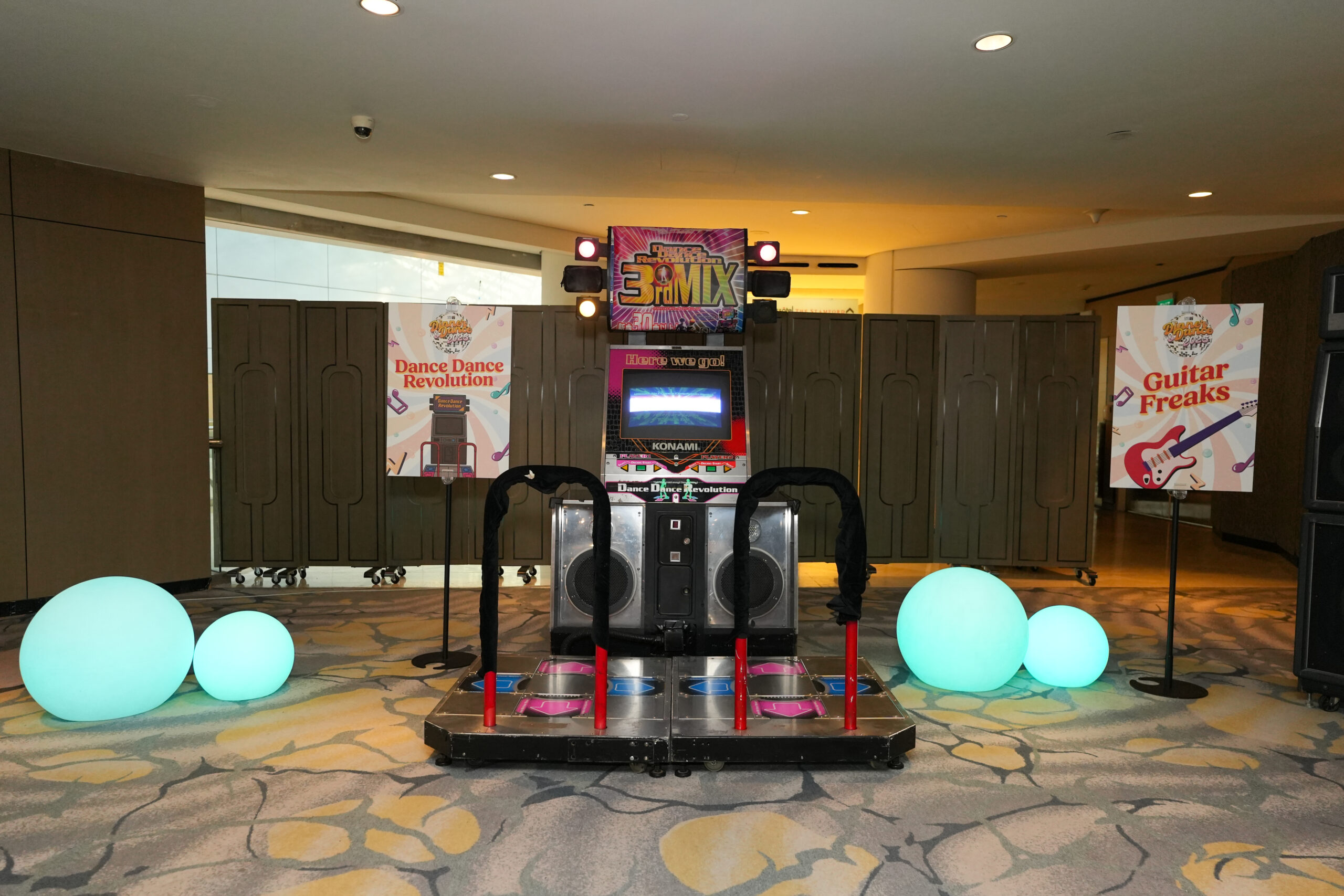
- Asset-heavy operators — They own their own equipment inventory and deploy it at their events
The difference matters more than you’d think.
The Hidden Cost of Subcontracting
When an asset-light agency puts together your event, they’re essentially assembling a coalition of subcontractors. AV from one vendor, staging from another, entertainment from a third. Each vendor adds their margin.
The result? You’re paying 20-40% more than you would if working with a company that owns the same equipment in-house. Not because the service is better — simply because there are more margin layers between you and the actual equipment.
Beyond Cost: Quality Control
Cost is the obvious advantage. But equipment ownership creates a subtler, more important benefit: quality control.
When you own your equipment, you know exactly what condition it’s in. You’ve tested it last week. You know which items need maintenance and which are flawless. There are no surprises on event day.
Subcontracted equipment arrives in whatever condition the rental company decides. The inflatable might have been used at a muddy outdoor event yesterday. The PA system might have a dodgy channel. You find out at setup, when it’s too late to fix.
Creative Flexibility
There’s a third advantage that’s less obvious: creative freedom. When you own your equipment, you can say “yes” to custom setups that a rental company wouldn’t accommodate. You can combine equipment in unexpected ways. You can test new formats without the risk of a rental minimum.
This is why asset-heavy event companies tend to deliver more creative, distinctive events. They’re not constrained by what’s available in a rental catalogue — they’re constrained only by their imagination and their inventory.
How to Evaluate This
Next time you’re comparing event companies in Singapore or reviewing event proposals, ask one simple question:
“Do you own the equipment you’ll be using at our event, or will it be rented from a third party?”
The answer will tell you a lot about the company’s cost structure, quality control, and creative capability.
Get Out! Events owns one of Singapore’s largest privately-held inventories of corporate event equipment.
See our equipment | Get a quote
Experience the Difference
See how our proprietary equipment makes events better:
- Inflatable Park Rentals — Our own fleet of inflatables, maintained in-house
- Team Building Singapore — Activities powered by our proprietary tech and equipment
- Family Day Events — Carnivals and activity stations with our own gear
Get a free quote for your next event.
Practical planning notes for Why It Matters Whether Your Event Company Owns Their Own Equipment
Why It Matters Whether Your Event Company Owns Their Own Equipment should give the event team enough information to make a real planning decision. Start with the business objective, guest profile, expected attendance, budget range, approval timeline, and why this event format or venue is being considered. Without those details, a page can look relevant but still be too thin to help a buyer.
The next layer is the guest journey. Confirm how guests receive information, where they arrive, how registration works, where the programme starts, how people move between segments, and what they should remember after leaving. This is the difference between listing an event idea and planning an event people can actually experience smoothly.
Operational checks should include supplier access, setup timing, room layout, AV needs, signage, holding areas, catering flow, photography points, wet-weather options, teardown timing, and who can approve last-minute changes. These details prevent avoidable confusion on the event day.
The organiser should also prepare a simple responsibility map. One owner should watch the guest experience, one should coordinate suppliers, one should manage programme timing, and one should handle internal stakeholder decisions. Clear ownership lets the host team focus on guests instead of becoming the emergency coordination desk.
After the event, keep a short debrief with what worked, what changed onsite, what guests asked for, and what should be improved. That record helps the company reuse the learning for future events instead of starting from memory each time.
For a support page, the goal is to help the reader shortlist intelligently. The page should make it easier to compare venue fit, event format, manpower needs, guest flow, and risk before asking for a quotation.
Used this way, the page becomes a useful planning reference instead of a thin keyword page. It tells the buyer what to check, what to ask, and what to prepare before moving into proposal or production.