Planning a corporate event in Singapore? Whether it’s an annual Dinner & Dance, a large-scale product launch, or an intimate team retreat, getting the details right can make or break the experience. That’s where professional event management in Singapore comes in — taking the stress off your plate so you can focus on what matters: your people, your brand, and your goals.
In this comprehensive guide, we cover everything HR managers, office administrators, and corporate teams need to know about event management in Singapore — from event types and costs to choosing the right partner and the latest industry trends for 2026.
What Is Event Management?
Event management is the end-to-end process of conceptualising, planning, coordinating, and executing an event. It goes far beyond picking a venue and sending invitations. A professional event management company handles logistics, creative direction, vendor coordination, technical production, on-site execution, and post-event evaluation — all under one roof.
Event Management vs Event Planning: What’s the Difference?
Event planning typically refers to the pre-event phase — budgeting, scheduling, and organising the moving parts. Event management encompasses the full lifecycle, including real-time execution, troubleshooting, and wrap-up. Think of event planning as the blueprint, and event management as building the entire house and handing over the keys.
The Event Management Lifecycle
- Discovery & Briefing — Understanding goals, audience, and budget
- Concept & Design — Developing the theme, creative direction, and experience flow
- Pre-production — Venue sourcing, vendor booking, permits, and logistics
- Production & Execution — On-site setup, technical operations, and live management
- Post-Event — Tear-down, feedback collection, ROI analysis, and reporting
A seasoned event management company in Singapore will guide you through every stage, ensuring nothing falls through the cracks.
Types of Corporate Events in Singapore
Singapore’s corporate landscape is diverse, and so are the events companies organise. Here’s a breakdown of the most popular types:
Dinner & Dance (D&D)
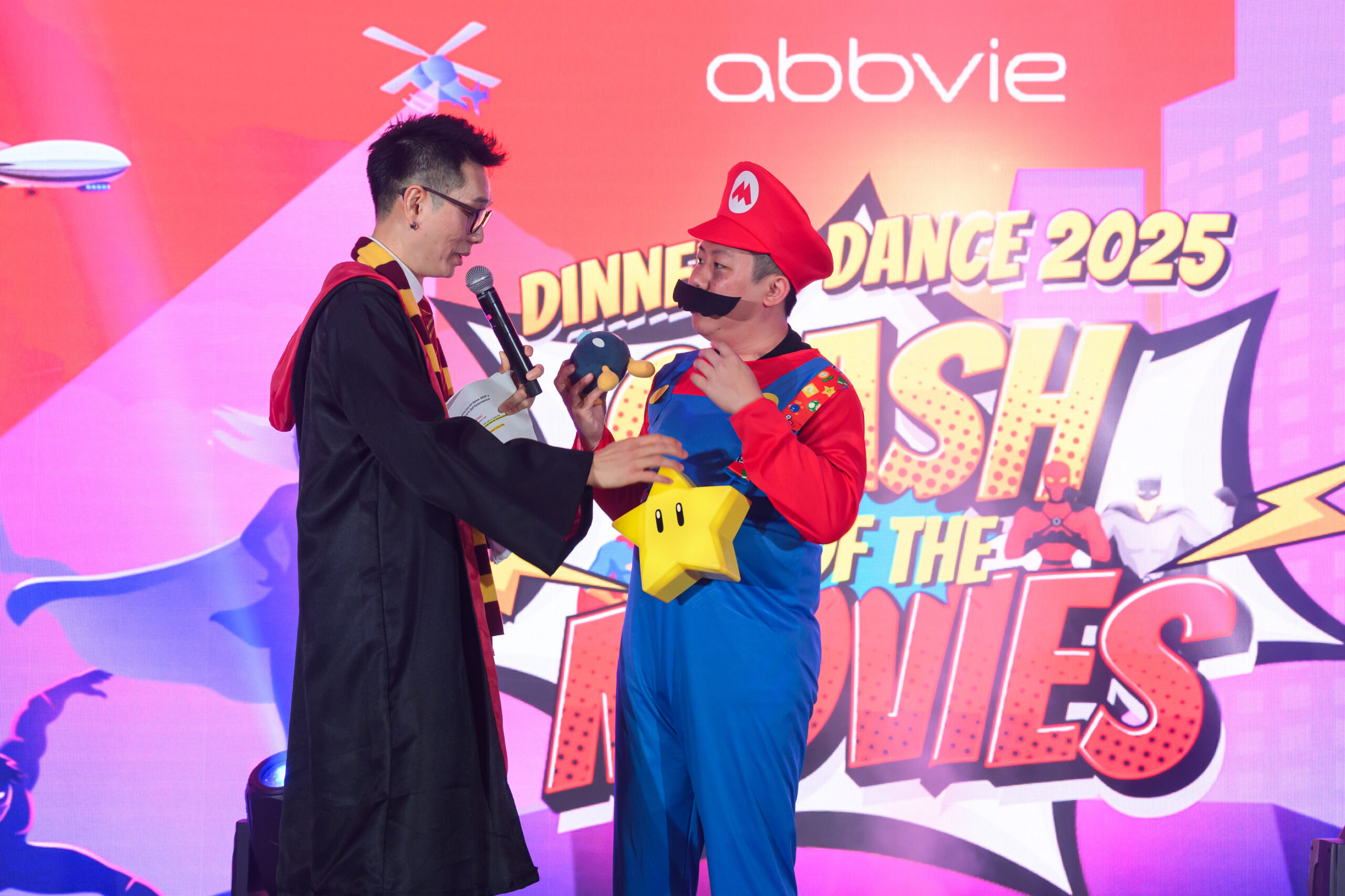
The quintessential Singapore corporate event. Dinner & Dance events typically range from 100 to 2,000 guests, featuring themed décor, live entertainment, award presentations, and interactive games. Most companies hold their D&D annually as an employee appreciation and team bonding exercise.
Team Building Events
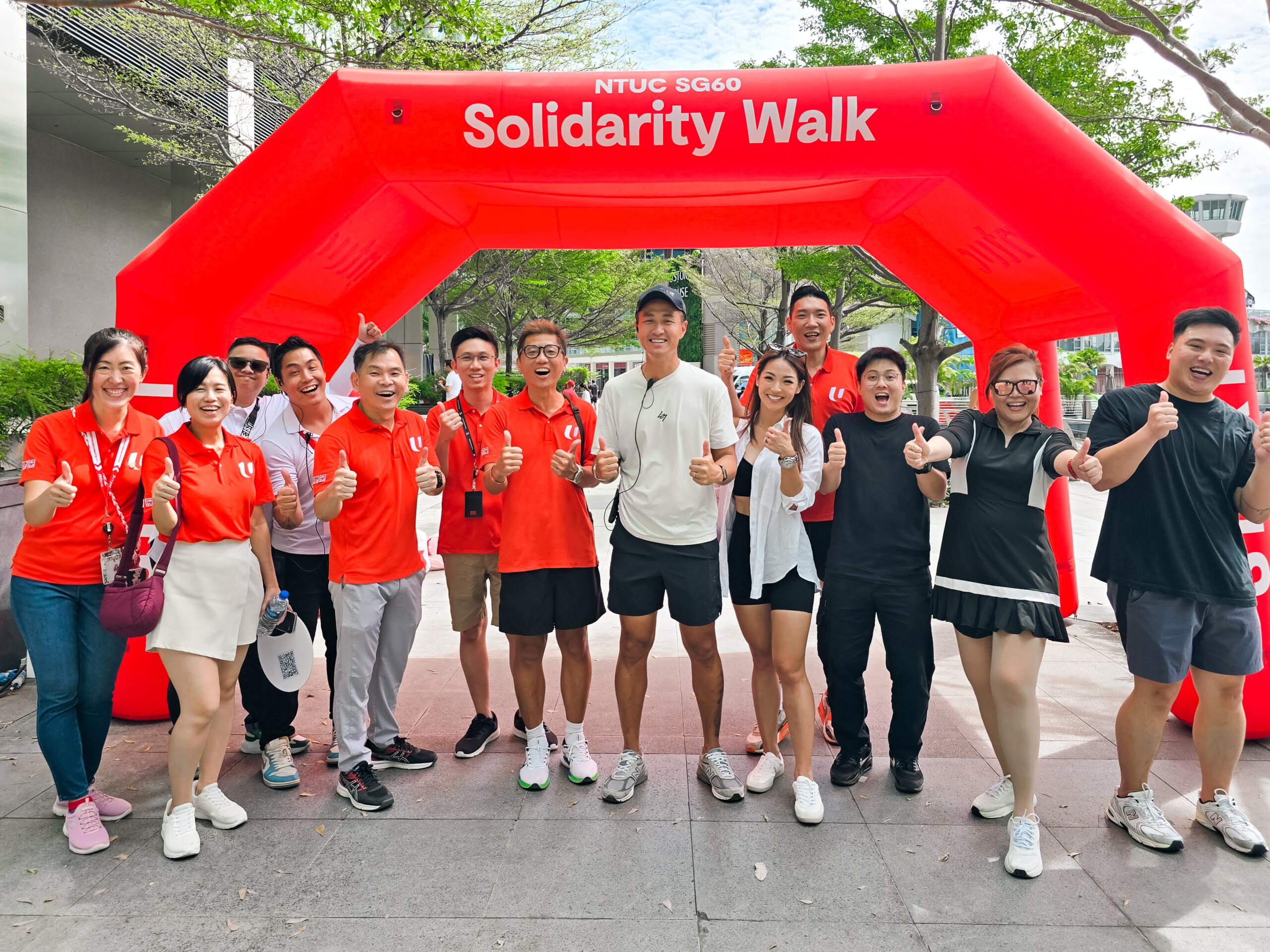
Team building activities in Singapore range from outdoor adventure challenges at Sentosa to creative workshops in the CBD. Group sizes can be anywhere from 20 to 500+, and formats include competitive games, collaborative problem-solving, cooking challenges, and CSR-focused activities. These are popular for onboarding, department offsites, and morale-building.
Family Day
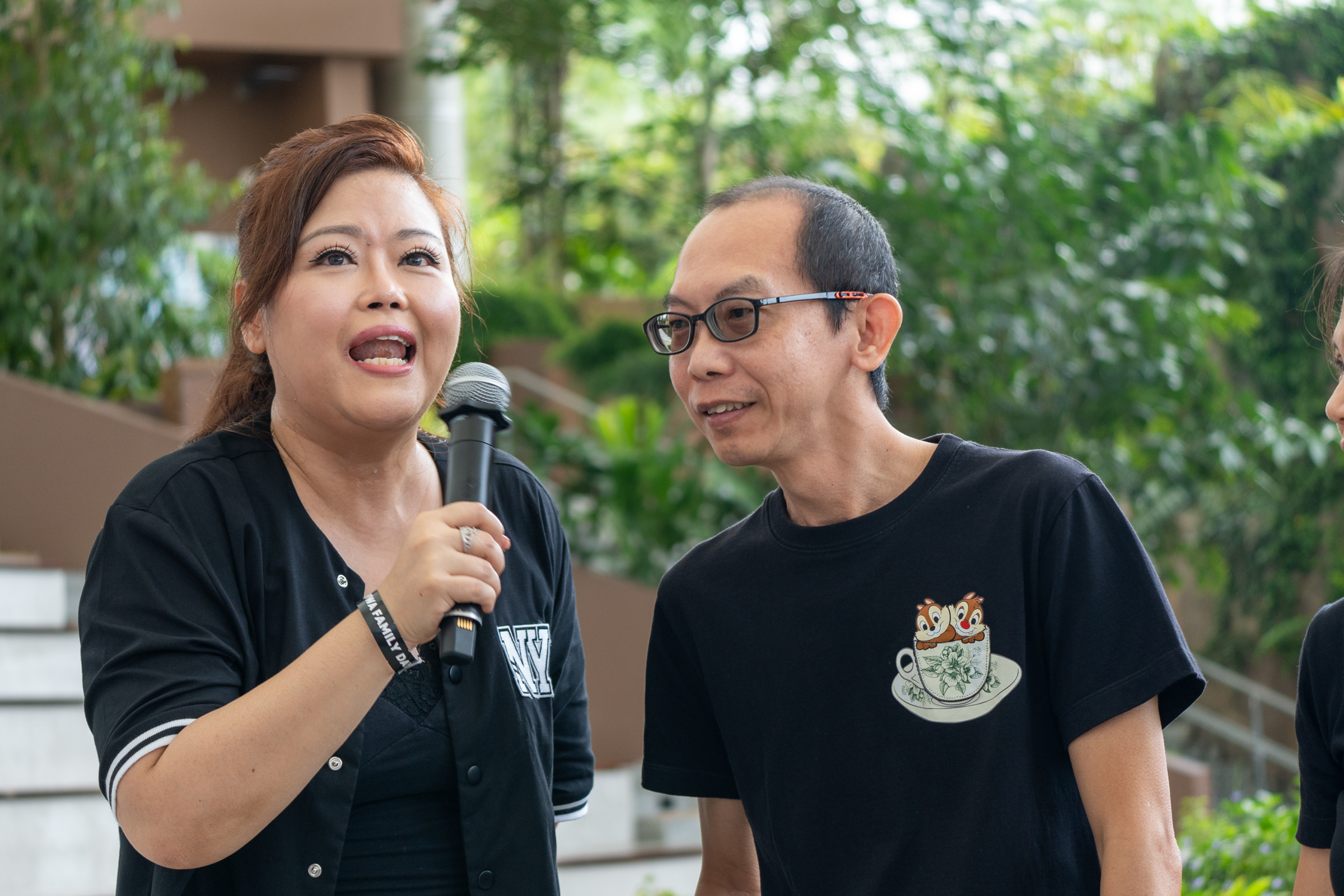
A Family Day event celebrates employees and their loved ones with carnival-style games, bouncy castles, food stalls, stage shows, and activity booths. Typical attendance ranges from 200 to 5,000 people, often held at outdoor venues like parks or resort grounds.
Conferences & Seminars
Conferences and seminars demand precise audiovisual coordination, registration management, speaker logistics, and often hybrid streaming capabilities. Singapore is a premier MICE (Meetings, Incentives, Conferences, Exhibitions) destination, with world-class convention centres like Sands Expo, Resorts World Convention Centre, and Singapore EXPO.
Product Launches
Product launches are high-impact events that blend marketing and entertainment. They require strong creative direction, immersive staging, media coordination, and flawless technical execution. These typically run for 50 to 500 guests and are often held at unique venues to create buzz.
Gala Dinners & Award Ceremonies
Formal, prestigious events that honour achievements and milestones. Gala dinners demand elegant décor, professional emcees, seamless AV production, and a refined guest experience. Common for industry associations, charities, and large MNCs.
Roadshows & Activations
Brand activations and roadshows are consumer-facing events held in malls, public spaces, or exhibition halls. They require custom-built booths, engaging activities, crowd management, and often run across multiple days or locations.
Annual General Meetings (AGMs) & Town Halls
Corporate governance events that require reliable AV, live polling, Q&A management, and often live streaming for remote participants. Professional event management ensures these run smoothly and on schedule.
The Event Management Process (Step by Step)
Understanding the process helps you work more effectively with your event management partner. Here’s what a typical engagement looks like with a professional agency:
1. Discovery & Briefing
The process begins with a detailed conversation about your objectives, target audience, preferred dates, budget range, and any must-haves. A good event manager will ask the right questions to understand not just what you want, but why — so the event delivers real impact.
2. Concept Development
Based on the brief, the event team develops a creative concept. This includes the event theme, visual identity, entertainment direction, programme flow, and guest experience journey. You’ll typically receive a proposal deck with mood boards, layout plans, and a detailed programme timeline.
3. Venue Selection
The right venue sets the tone for everything. Your event manager will shortlist and recommend venues based on capacity, budget, location, ambience, and technical capabilities. Singapore offers a wealth of options — from five-star hotel ballrooms and rooftop terraces to unconventional spaces like galleries, warehouses, and outdoor lawns. Check out our Singapore event venues guide for inspiration.
4. Vendor Coordination
Events involve a web of vendors: caterers, AV suppliers, decorators, photographers, entertainers, transport providers, and more. A professional event management company coordinates all of these on your behalf, managing timelines, deliverables, and quality control. Companies with in-house equipment — like GO Events — can reduce costs and streamline coordination.
5. Production Planning
This is where the details come together: technical riders, run sheets, floor plans, safety assessments, contingency plans, and rehearsal schedules. Production planning is the backbone of a well-executed event.
6. Event Execution
On the day itself, the event management team handles setup, technical checks, guest registration, stage management, emcee coordination, real-time troubleshooting, and overall flow control. You should be free to enjoy the event and host your guests — not running around putting out fires.
7. Post-Event Wrap-Up
After the event, your partner handles tear-down and venue restoration. A thorough debrief follows, including attendee feedback, event photos/videos, budget reconciliation, and a summary report with recommendations for future events.
How to Choose an Event Management Company in Singapore
With hundreds of event companies in Singapore, choosing the right one matters. Here are eight key criteria to evaluate:
1. Track Record & Experience
How long have they been in business? How many events have they delivered? Look for a company with a proven track record across different event types and scales. For example, GO Events has been operating since 2012 and has delivered over 1,000 events across Singapore.
2. In-House Equipment & Capabilities
Companies that own their own sound systems, lighting rigs, LED screens, and staging equipment can offer better pricing, faster setup, and more control over quality. Relying entirely on third-party rentals can inflate costs and complicate logistics.
3. Portfolio & Case Studies
Review their past work. Do they have experience with events similar to yours? Look for photos, videos, testimonials, and case studies that demonstrate their creative range and execution quality.
4. Pricing Transparency
A reputable company provides clear, itemised quotations. Be cautious of vague pricing or companies that are reluctant to break down costs. You should know exactly what you’re paying for.
5. Responsiveness & Communication
Event planning involves constant communication. How quickly do they respond to enquiries? Are they proactive with updates? The quality of pre-event communication is a strong indicator of how they’ll perform on event day.
6. Hybrid & Virtual Capability
Post-pandemic, many events now include a virtual component. Ensure your event partner can handle live streaming, virtual event platforms, and hybrid audience engagement if needed.
7. Vendor Network
An experienced event company has established relationships with trusted vendors — caterers, venues, entertainers, photographers, and more. This network translates to better rates, reliability, and contingency options for you.
8. Insurance & Risk Management
Professional event companies carry public liability insurance and have comprehensive risk management protocols. Ask about their safety measures, especially for large-scale or outdoor events.
Questions to Ask in an Initial Meeting
- Can you share examples of similar events you’ve managed?
- What’s included in your management fee vs. what’s charged separately?
- Do you own your AV and production equipment?
- How do you handle last-minute changes or emergencies?
- Who will be our dedicated point of contact?
- What’s your cancellation and postponement policy?
- Can you provide client references?
Event Management Costs in Singapore [2026 Guide]
One of the most common questions we get is: “How much does event management cost in Singapore?” The answer depends on the type of event, guest count, venue, and level of production. Here’s a general guide based on 2026 market rates:
Typical Cost Ranges by Event Type
| Event Type | Guest Count | Estimated Budget (SGD) |
|---|---|---|
| Team Building (half-day) | 30–100 | $3,000–$15,000 |
| Team Building (full-day) | 50–300 | $8,000–$30,000 |
| Family Day | 200–2,000 | $20,000–$150,000 |
| Dinner & Dance | 100–1,500 | $25,000–$250,000 |
| Conference / Seminar | 50–500 | $15,000–$100,000 |
| Product Launch | 50–300 | $20,000–$120,000 |
| Gala Dinner | 100–800 | $40,000–$300,000 |
| Roadshow (per day) | Varies | $5,000–$30,000 |
Note: These are indicative ranges. Actual costs depend on venue choice, production complexity, entertainment, and customisation level.
Management Fee Structures
Event management companies in Singapore typically charge in one of two ways:
- Percentage of total budget: Usually 10%–20% of the overall event spend. Common for larger events where the scope evolves over time.
- Flat management fee: A fixed fee agreed upfront, regardless of total event cost. Preferred by companies that want cost certainty.
Some agencies bundle their management fee into an all-inclusive package price, which can make comparisons easier.
Hidden Costs to Watch For
- Venue surcharges: Corkage fees, overtime charges, minimum spend requirements
- Last-minute additions: Rush fees for equipment, décor changes, or programme additions
- Technical requirements: Rigging, power drops, and internet connectivity at certain venues
- GST: Ensure quoted prices are inclusive of 9% GST, or factor it in
- Service charges: Venue and catering service charges (typically 10%) can add up
How to Get the Best Value
- Book early — venues and vendors offer better rates with more lead time
- Be clear on your budget from the start so your event manager can optimise accordingly
- Choose a company with in-house equipment to reduce rental costs
- Consider weekday or off-peak dates for venue savings
- Bundle services (AV, décor, entertainment) with one provider for package discounts
For a personalised cost estimate, reach out to GO Events with your event details and we’ll provide a transparent, no-obligation quotation.
Event Management Trends in Singapore for 2026
The events industry evolves constantly. Here are the key trends shaping event management in Singapore this year:
Sustainability & Eco-Conscious Events
Green events are no longer a nice-to-have — they’re an expectation. Companies are demanding sustainable practices: digital invitations over printed ones, locally sourced catering, reusable décor, minimal single-use plastics, and carbon offset programmes. Singapore’s Green Plan 2030 is driving this shift across all industries, including events.
AI-Powered Event Tools
Artificial intelligence is transforming event management in 2026. From AI-assisted content creation for event collaterals to intelligent matchmaking at networking events, chatbot-powered registration, and predictive analytics for attendance and engagement — AI is making events smarter and more personalised.
Hybrid & Virtual Integration
While in-person events have made a strong comeback, the hybrid model is here to stay. Companies appreciate the flexibility of offering virtual attendance options for overseas colleagues, remote teams, or those who can’t attend in person. Professional virtual event production ensures remote attendees get a premium experience, not an afterthought.
Experiential Over Traditional
Attendees in 2026 expect more than a stage, a screen, and a buffet. Immersive experiences — interactive installations, gamification, sensory elements, and personalised touchpoints — are becoming the norm. The goal is to create moments people want to share on social media.
Data-Driven Event ROI
Companies are increasingly measuring event success beyond headcount and satisfaction surveys. Advanced metrics like engagement duration, networking quality, lead generation, social media reach, and post-event behaviour tracking are helping justify event budgets and refine future strategies.
Singapore’s Event Industry Landscape
Singapore is one of Asia’s premier event destinations, consistently ranked among the top MICE cities globally. Here’s what makes the Lion City special for events:
Singapore Tourism Board (STB) Support
The STB actively supports Singapore’s events industry through grants, incentive programmes, and promotional initiatives. The Business Events in Singapore (BEiS) programme offers funding support for qualifying international events. For corporate events with international delegates, this can be a significant cost offset.
Popular Event Districts
- Marina Bay: Home to Marina Bay Sands, The Ritz-Carlton, and the iconic waterfront — perfect for premium gala dinners and conferences.
- Sentosa: Resort-style venues ideal for family days, team building, and outdoor events. Options include Siloso Beach, Resorts World Sentosa, and lush garden spaces.
- CBD (Central Business District): Convenient for corporate events with easy MRT access. Hotels like Swissôtel The Stamford, Fairmont, and Pan Pacific offer excellent ballroom facilities.
- Changi: The Changi Exhibition Centre and nearby venues cater to large-scale exhibitions and outdoor events. Jewel Changi Airport also offers unique event spaces.
- Tanjong Pagar / Chinatown: Trendy restaurants, rooftop bars, and heritage shophouses for intimate events and modern networking sessions.
Seasonal Considerations
- January–March: Popular for kick-off events, annual retreats, and CNY celebrations. Venues book up fast around Chinese New Year.
- April–June: Conference season, team building surge, and mid-year townhalls. The period before school holidays is ideal for work-focused events.
- July–September: Family Day season (coinciding with school holidays), National Day celebrations, and F1 Singapore Grand Prix (September) — a major draw for corporate hospitality events.
- October–December: Peak D&D season. November and December are the busiest months for event companies. Book early — popular dates fill up 3–6 months in advance.
Event Management Checklist for Corporate Teams
Use this timeline-based checklist to stay on track, whether you’re managing in-house or working with a professional event management company:
6 Months Before
- Define event objectives, KPIs, and success metrics
- Set and get budget approved
- Form an internal event committee or appoint a project lead
- Research and shortlist event management companies
- Request proposals and compare quotations
- Confirm your event partner and sign the contract
- Begin venue shortlisting
3 Months Before
- Confirm venue and sign the venue contract
- Finalise the event concept, theme, and programme flow
- Book key vendors: caterer, entertainment, photographer/videographer
- Design and send save-the-date notices
- Begin collateral design: invitations, backdrop, signage
- Set up registration system (online RSVP or ticketing platform)
1 Month Before
- Send formal invitations with RSVP deadline
- Confirm final guest count with venue and caterer
- Finalise detailed run sheet and programme script
- Confirm all vendor deliverables and timelines
- Arrange transport, parking, and accessibility needs
- Prepare emcee script and speaker briefs
- Conduct site visit and technical walk-through
1 Week Before
- Send event reminders to all guests
- Confirm final headcount and dietary requirements
- Review run sheet with all stakeholders
- Prepare event-day emergency kit (first aid, batteries, cable ties, etc.)
- Brief all crew, volunteers, and on-site team members
- Confirm wet weather plan (for outdoor events)
- Test all AV equipment and presentations
Event Day
- Arrive early for setup and final checks
- Conduct sound and lighting checks
- Brief registration team and ushers
- Ensure signage and wayfinding are in place
- Run through programme cues with emcee and AV team
- Capture content: photos, videos, social media moments
- Enjoy the event — your event manager handles the rest!
Post-Event
- Send thank-you messages to guests and stakeholders
- Collect feedback via post-event survey
- Review photos and videos for internal use and marketing
- Conduct debrief with event management team
- Reconcile budget and process final payments
- Document learnings for future events
Frequently Asked Questions About Event Management in Singapore
What does an event management company do?
An event management company handles the full scope of your event — from initial concept and planning through to execution and post-event wrap-up. This includes creative direction, venue sourcing, vendor coordination, production management, on-site logistics, and everything in between. The goal is to deliver a seamless, memorable experience while freeing your internal team from the operational burden.
How much does event management cost in Singapore?
Costs vary widely depending on the event type, scale, and complexity. A half-day team building session might start from SGD 3,000, while a large-scale Dinner & Dance can range from SGD 25,000 to over SGD 250,000. Management fees are typically 10%–20% of the total budget, or a flat fee. For an accurate estimate, share your event brief with an experienced event management company for a customised quotation.
How far in advance should I start planning?
For most corporate events in Singapore, we recommend starting at least 3–6 months in advance. Large-scale events like gala dinners, conferences, or events during peak season (November–December) may require 6–9 months of lead time. That said, experienced event managers like GO Events can work with shorter timelines when needed — we’ve pulled off events in as little as 2–3 weeks.
What’s the difference between an event planner and an event manager?
An event planner focuses primarily on the pre-event phase: budgeting, scheduling, vendor selection, and logistics planning. An event manager oversees the entire lifecycle, including on-site execution, real-time problem-solving, and post-event evaluation. In Singapore, most professional agencies offer full event management services that cover both planning and execution.
Can I hire an event company for just part of my event?
Absolutely. Many companies — including GO Events — offer modular services. You might handle the planning in-house but engage a professional team for AV production and on-site management. Or you might need help only with equipment rental and setup. A good event partner will customise their scope to fit your needs.
What’s included in a typical event management package?
A standard package usually covers: project management, creative concept development, venue liaison, vendor coordination, production planning, on-site event management, and post-event debrief. Depending on the provider, it may also include AV equipment, décor, entertainment, emcee services, and photography. Always request an itemised breakdown so you know exactly what’s included.
How do I evaluate event management proposals?
Compare proposals across these dimensions: creative quality (does the concept excite you?), scope of services (what’s included vs. extra), pricing transparency (are costs itemised?), team experience (who’s actually managing your event?), and references (can they share testimonials or past work?). Don’t just go for the cheapest option — the best value comes from a team that truly understands your vision and can execute it flawlessly.
Ready to Plan Your Next Corporate Event?
Whether you’re organising your company’s annual D&D, a large-scale conference, a fun-filled Family Day, or an intimate team bonding session, having the right event management partner makes all the difference.
At Get Out! Events (GO Events), we’ve been delivering exceptional corporate events across Singapore since 2012. With over 1,000 events under our belt, in-house AV and production equipment, and a passionate team that treats every event like our own — we’re ready to bring your vision to life.
Contact GO Events today for a free, no-obligation consultation. Tell us about your event, and we’ll show you what’s possible.
Explore our full range of event management services in Singapore to learn more about how we can help.
Frequently Asked Questions
What does an event management company do?
An event management company handles the full scope of your event — from initial concept and planning through to execution and post-event wrap-up. This includes creative direction, venue sourcing, vendor coordination, production management, on-site logistics, and everything in between.
How much does event management cost in Singapore?
Costs vary widely depending on event type, scale, and complexity. A half-day team building session might start from SGD 3,000, while a large-scale Dinner & Dance can range from SGD 25,000 to over SGD 250,000. Management fees are typically 10%–20% of the total budget, or a flat fee.
How far in advance should I start planning?
For most corporate events in Singapore, start at least 3–6 months in advance. Large-scale events or events during peak season (November–December) may require 6–9 months of lead time. Experienced event managers can work with shorter timelines when needed.
What's the difference between an event planner and an event manager?
An event planner focuses on the pre-event phase: budgeting, scheduling, vendor selection, and logistics planning. An event manager oversees the entire lifecycle, including on-site execution, real-time problem-solving, and post-event evaluation. Most professional agencies in Singapore offer both under full event management services.
Can I hire an event company for just part of my event?
Absolutely. Many companies offer modular services. You might handle planning in-house but engage a professional team for AV production and on-site management, or need help only with equipment rental and setup. A good event partner will customise their scope to fit your needs.
What's included in a typical event management package?
A standard package usually covers project management, creative concept development, venue liaison, vendor coordination, production planning, on-site event management, and post-event debrief. It may also include AV equipment, décor, entertainment, emcee services, and photography.
How do I evaluate event management proposals?
Compare proposals across: creative quality, scope of services, pricing transparency, team experience, and references. Don't just go for the cheapest option — the best value comes from a team that truly understands your vision and can execute it flawlessly.