
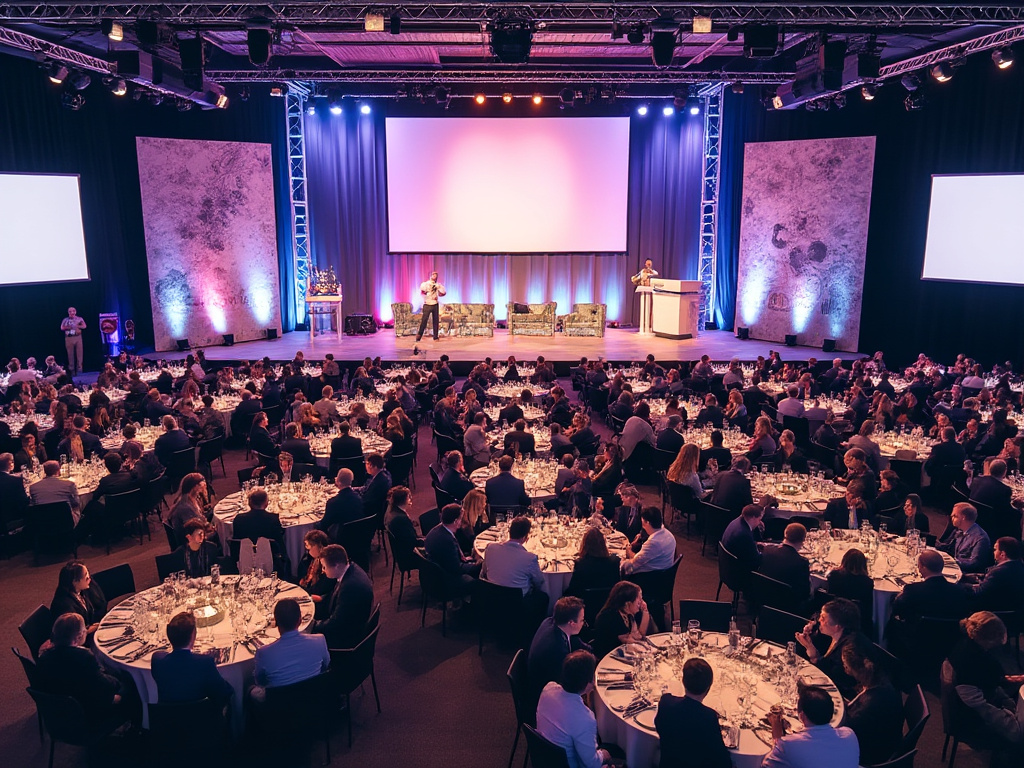
Running a business in the events industry is like hosting the world’s longest event—it’s a balance of planning, adapting, and delivering. Our experience as a corporate event organiser in Singapore has taught us that leadership and event management are inseparable disciplines. But beyond logistics, it’s the leadership lessons we’ve learned along the way that have shaped us.
The first lesson: listen. Whether it’s clients, employees, or industry partners, listening is where ideas are born and problems are solved. The second: embrace challenges. Events are unpredictable, and it’s in those moments of uncertainty that teams prove their strength and creativity.
Finally, invest in people. At GO, we’ve learned that relationships—whether with clients, colleagues, or suppliers—are the backbone of any successful event. When people feel valued, they go above and beyond.
Every event is a reflection of the people behind it. And as co-founders, our goal is to build not just great events, but a great team that can thrive in any challenge.
The event industry serves as an intensive leadership laboratory where theoretical management concepts meet real-world pressure in compressed timeframes. Every event presents multiple opportunities for leadership development, crisis management, and team building — whether through outdoor challenges or indoor team building activities — that would take months to experience in traditional business settings. These concentrated learning experiences have shaped our understanding of leadership in ways that boardroom strategies and business school case studies simply cannot replicate.
The Laboratory of Live Events
Events operate under unique conditions that test leadership capabilities: fixed deadlines that cannot be negotiated, live audiences that provide immediate feedback, and multiple moving parts that must coordinate flawlessly in real-time. These conditions create natural leadership development opportunities where theoretical knowledge transforms into practical wisdom through direct application under pressure.
Unlike other business ventures where mistakes can be hidden or corrected over time, event leadership failures occur in public view with immediate consequences. This reality creates leaders who develop authentic confidence, quick decision-making abilities, and the resilience to recover gracefully from unexpected setbacks.
The compressed timeline of event execution—where months of planning culminate in hours of delivery—teaches leaders to balance long-term strategic thinking with moment-by-moment tactical adjustments. This dual-focus capability becomes invaluable in any business context where leaders must maintain vision while managing daily operational realities.
Lesson One: The Art of Active Listening
Active listening in event leadership goes beyond hearing what clients say they want—it involves understanding the emotions, constraints, and unspoken objectives behind their requests. Clients often begin conversations describing logistics or budget parameters, but successful event leaders listen for the underlying aspirations, fears, and success metrics that drive their decision-making.
We’ve discovered that listening to team members reveals not just task-level information but insights into individual strengths, development needs, and creative capabilities that can transform project outcomes. When team members feel heard, they contribute ideas and solutions that leaders working in isolation would never discover.
Listening to Suppliers and Partners:
The most successful events result from collaborative relationships with vendors, venues, and service providers. Leaders who listen to their industry partners gain access to insider knowledge, creative solutions, and operational flexibility that transactional relationships cannot provide. These partnerships often become competitive advantages that differentiate one event company from another.
Listening to the Audience:
During live events, experienced leaders continuously monitor audience energy, engagement levels, and non-verbal feedback to make real-time adjustments. This skill—reading the room and responding appropriately—translates directly to other leadership contexts where understanding stakeholder sentiment drives successful outcomes.
Lesson Two: Transforming Challenges into Opportunities
Event challenges arrive without warning and demand immediate solutions under time pressure with limited resources. Weather changes that force outdoor events indoors, technology failures during live presentations, or last-minute guest cancellations that affect seating arrangements—these situations require leaders who can reframe problems as opportunities for innovation and team building.
The most growth occurs not during smooth event execution but during crisis moments when standard procedures prove inadequate. Leaders learn to stay calm under pressure, communicate clearly during confusion, and mobilize teams around solutions rather than dwelling on problems. These crisis management skills become fundamental leadership capabilities that serve any business context.
Building Antifragile Systems:
Events have taught us to build systems that improve under stress rather than simply surviving challenges. This means creating redundant solutions, cross-training team members, and maintaining relationships with backup vendors who can step in during emergencies. These practices create organizational resilience that benefits all business operations.
Cultural Attitude Toward Problems:
Teams that work together through event challenges develop shared problem-solving languages and mutual trust that accelerates future collaboration. When challenges become opportunities for team bonding rather than blame assignment, organizations develop cultures that attract high-performing individuals who thrive under pressure.
Lesson Three: People as the Ultimate Asset
Events succeed or fail based on human performance under pressure. Technology can enhance experiences, but people create the connections, solve the unexpected problems, and deliver the authentic service that makes events memorable. This reality has taught us that investing in people development provides the highest return on investment of any business strategy.
When team members feel valued, supported, and empowered to make decisions, they consistently exceed expectations and find creative solutions that leaders could not have conceived independently. The inverse is equally true—when people feel undervalued or micromanaged, even technically excellent events can feel mechanical and uninspiring to attendees.
Individual Development Focus:
Each team member brings unique strengths that, when properly developed and deployed, contribute capabilities that no single leader possesses. Our role as leaders becomes identifying these individual strengths, providing development opportunities, and creating contexts where people can contribute their best work.
Creating Ownership Mentality:
The best event team members think and act like owners rather than employees. They anticipate problems, propose solutions, and take responsibility for outcomes because they feel genuine investment in project success. This ownership mentality develops through trust, autonomy, and recognition rather than compensation alone.
Singapore’s Leadership Development Context
Singapore’s business environment provides unique advantages for developing event leadership capabilities. The multicultural workforce requires leaders who can navigate diverse communication styles, cultural expectations, and working preferences—skills that prove invaluable in global business contexts.
The compact nature of Singapore’s business community means reputation travels quickly, creating natural accountability for leadership quality. Leaders who consistently deliver excellent results and treat team members well develop reputations that attract top talent and premium opportunities. Conversely, poor leadership practices become known quickly, limiting future business prospects.
Cross-Cultural Leadership Skills:
Managing events in Singapore requires understanding how different cultures approach hierarchy, communication, and conflict resolution. These skills translate directly to international business leadership where global teams must collaborate effectively despite cultural differences.
Government and Business Integration:
Singapore’s business environment often involves coordination with government agencies, regulatory requirements, and public-private partnerships. Event leaders learn to navigate these relationships effectively, developing skills that benefit any business operating in regulated industries or international markets.
Leadership Lessons from Failure
The most valuable leadership lessons often emerge from events that don’t go according to plan. Equipment failures, weather disruptions, vendor disappointments, and miscommunications provide intense learning opportunities that successful events cannot replicate. These failures teach humility, adaptability, and the importance of preparation while building confidence to handle future unexpected situations.
Early in our journey, a major corporate event faced multiple simultaneous challenges: the venue experienced flooding, the keynote speaker was delayed due to flight cancellations, and the catering delivery was compromised due to transportation issues. Rather than canceling, we discovered that transparent communication with clients, creative problem-solving with our team, and leveraging our supplier relationships could transform potential disaster into demonstration of our capabilities under pressure.
That challenging day taught us more about leadership, teamwork, and client relationship management than dozens of successful events. The client not only continued working with us but became one of our strongest advocates because they witnessed our team’s character and capabilities during difficult circumstances.
Building Leadership Development Systems
Recognizing events as leadership laboratories led us to create systematic approaches for developing leadership capabilities within our organization. Rather than hoping team members would naturally develop leadership skills through experience, we began designing intentional development opportunities.
Mentorship and Shadowing:
Junior team members shadow senior leaders during client meetings, event planning sessions, and crisis resolution to observe leadership decisions in real-time. This exposure accelerates learning by connecting theoretical concepts with practical applications in low-risk environments.
Progressive Responsibility:
Team members gradually take on increasing leadership responsibilities across multiple events, building confidence and capabilities incrementally. This progression allows for mistake-making and learning in controlled environments before assuming full leadership roles for major events.
Cross-Functional Exposure:
Rotating team members through different aspects of event planning—from creative design to logistics management to client relations—develops well-rounded leaders who understand all components of successful event execution.
Leadership Principles That Transfer Beyond Events
The leadership lessons learned through event management apply broadly to any business context. The ability to coordinate multiple stakeholders toward common objectives under time pressure serves leaders in project management, product launches, and organizational change initiatives.
Stakeholder Alignment:
Events require aligning diverse interests—clients want specific outcomes, team members have individual motivations, vendors have business constraints, and attendees have varying expectations. Leaders who master stakeholder alignment in event contexts can apply these skills to any business situation involving multiple parties with different objectives.
Communication Under Pressure:
Events demand clear, decisive communication when stakes are high and time is limited. Leaders develop the ability to distill complex situations into actionable messages that motivate teams and reassure stakeholders. This communication capability proves invaluable during business crises, negotiations, and change management initiatives.
Systems Thinking:
Successful events require understanding how changes in one area affect all other components. Leaders learn to anticipate ripple effects, build redundant systems, and make decisions that optimize overall outcomes rather than individual components. This systems perspective enhances strategic thinking in any business context.
The Ongoing Leadership Journey
Leadership development through events is ongoing rather than a destination. Each new event presents novel challenges that require fresh applications of fundamental leadership principles. Experienced leaders continue learning by taking on more complex projects, entering new markets, or serving more demanding client needs.
The event industry’s constant evolution—new technologies, changing attendee expectations, emerging social trends—ensures that leaders must remain adaptable and committed to continuous learning. This perpetual growth requirement develops leaders who thrive in dynamic business environments where change is the only constant.
As co-founders, we’ve discovered that the leadership lessons learned through event management have strengthened every aspect of our business operations. The ability to listen deeply, transform challenges into opportunities, and invest authentically in people development has created a foundation for sustainable business growth that extends far beyond event execution.
Building great teams that can thrive in any challenge requires leaders who understand that every interaction is an opportunity to demonstrate values, develop capabilities, and strengthen relationships. Events provide intensive training grounds for these leadership capabilities, creating leaders who can guide organizations through any business challenge with confidence, competence, and authentic care for the people who make success possible.
The lessons in leadership that events have taught us continue shaping how we approach every aspect of business development, team building, and client relationships. At GetOut Events, we believe that great leaders create great experiences, and great experiences create the foundation for lasting business success. Every event becomes an opportunity not just to serve clients but to develop the leadership capabilities that will guide our organization’s future growth and impact.
Looking for professional event management in Singapore? GO Events has delivered 1,000+ corporate events since 2012.