MICE Event Planning Checklist Singapore
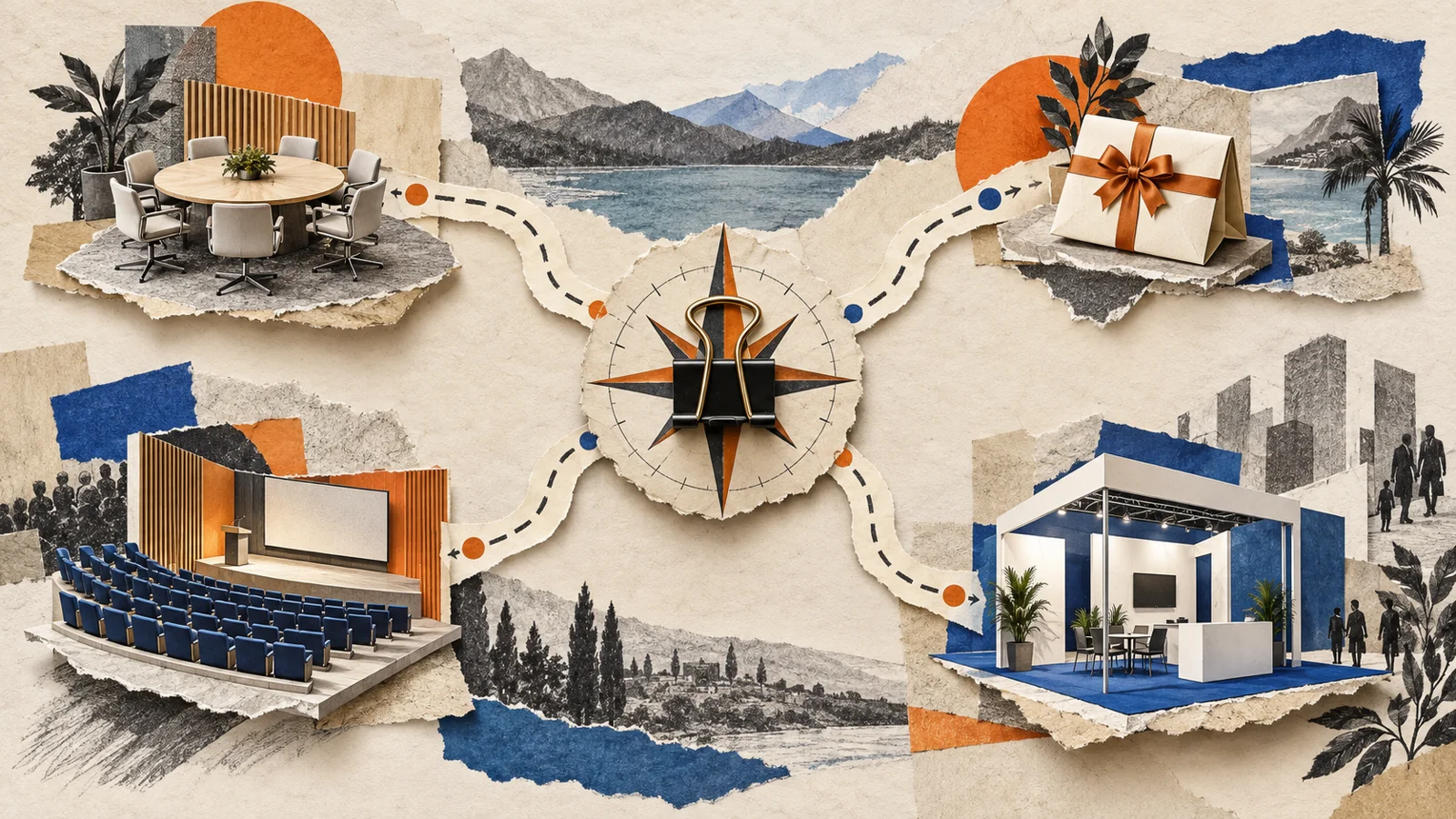
TL;DR: If you are planning a MICE event in Singapore, do not start with the acronym. Start with the event objective, delegate mix, venue-fit, registration flow, programme architecture, supplier scope, and on-site control points that will affect cost and delivery risk.
This checklist is for organisers translating a broad MICE brief into practical decisions. If your team still needs the plain-English definition first, read our MICE tourism Singapore guide. If you are already comparing organisers for a multi-session delegate event, our conference organiser Singapore guide explains the delivery roles, venue choices, and budgeting considerations in more detail.
1. Define which MICE format you are actually running
MICE can mean a leadership meeting, incentive trip, conference, exhibition, or a blended format. The planning checklist changes depending on which of those formats is dominant.
- Is the event primarily a meeting, incentive, conference, exhibition, or a combined programme?
- Is the audience internal, partner-facing, trade-facing, or public-facing?
- What does success look like: revenue, leads, training completion, stakeholder engagement, or relationship building?
- Will there be one main plenary, multiple breakout rooms, exhibition booths, hosted meals, or site visits?
If those answers are still vague, the rest of the planning process will stay vague too. Lock this before venue scouting or supplier briefing.
2. Map the decision-makers and approval chain early
MICE projects in Singapore often involve more stakeholders than a straightforward company event. Procurement, regional leadership, marketing, sales, HR, compliance, venue teams, and overseas delegates may all influence the brief.
- Who owns the final budget sign-off?
- Who approves the venue, programme, branding, and production scope?
- Is there a separate owner for delegate registration, sponsorship, or speaker content?
- Which decisions need lead time because regional or global stakeholders are involved?
One practical fix is to keep a single approvals tracker with owner names, deadlines, and unresolved dependencies. That reduces late-stage surprises when vendors are already on hold.
3. Shortlist venues based on flow, not just prestige
A venue that looks strong in a sales deck may still create bottlenecks on event day. In Singapore, room adjacency, load-in access, foyer size, ceiling height, rigging limits, and breakout logistics usually matter more than the brand name alone.
- Does the venue fit the programme format: plenary, breakout sessions, networking, exhibition, awards, or hosted dining?
- Can delegates move cleanly between registration, main hall, breakout rooms, exhibition floor, and meals?
- What are the setup and teardown windows, loading-bay rules, and supplier access restrictions?
- Are you choosing between a convention venue, hotel ballroom, or expo hall for the right operational reason?
If you are planning a large conference format at a landmark venue, our conference at Marina Bay Sands Singapore guide is a useful reference for venue-scale planning considerations. For booth-led trade shows or exhibitor showcases, use the exhibition at Marina Bay Sands guide to check Sands Expo hall setup, visitor flow, loading access and show-day operations.
4. Build the delegate-flow plan before registration opens
Delegate experience is often won or lost before the first session begins. Entry queues, badge collection, directional signage, lift access, meal release, and break timing all shape how professional the event feels.
- How will delegates register, receive confirmations, and access QR codes or badges?
- What is the arrival pattern by time block, and how many counters or self-check-in points are needed?
- Where are congestion risks: registration, coffee breaks, security checks, exhibition entry, or transport pick-up?
- Do VIPs, speakers, sponsors, and general attendees need separate flows?
For multi-country events, check whether international delegates also need airport transfers, hotel blocks, visa letters, or on-ground concierge support.
5. Lock the programme architecture and speaker logistics
MICE planning becomes harder when the programme is treated as a moving target. The session structure affects venue layout, AV requirements, staffing, and how long delegates remain engaged.
- Do you have one approved agenda with session timings, room allocations, and owner names?
- Which sessions need keynote staging, panel seating, interpretation, confidence monitors, or live Q&A?
- Are speaker bios, presentation deadlines, rehearsal slots, and briefing notes already scheduled?
- Will exhibitors, moderators, emcees, and sponsors all work from the same latest run sheet?
The larger the conference component, the more important it is to appoint one owner for programme control rather than letting every department update sessions independently.
6. Brief suppliers around outcomes, not line items
Venue, AV, stage design, exhibition build, registration, transport, photography, video, and catering suppliers should be briefed against the same event logic. Otherwise each vendor optimises for their own scope while the delegate experience becomes fragmented.
- Does every supplier understand the event objective, audience size, key timings, and event format?
- Have you separated must-have scope from optional upgrades?
- Who owns the integrated master schedule across all vendors?
- Are technical drawings, branding files, menu approvals, and floor plans moving on one controlled version?
A useful checkpoint is to ask whether each supplier knows the first cue they own, the last cue they own, and who they hand over to in between.
7. Pressure-test compliance, budget, and commercial guardrails
MICE events often combine venue hire, travel, hospitality, sponsorship, and production spend. Budget overruns usually come from unclear scope boundaries rather than one expensive line item.
- Have you ring-fenced venue, production, catering, delegate logistics, staffing, and contingency as separate budget buckets?
- Are there procurement rules, sponsorship obligations, PDPA requirements, or government approvals that affect the timeline?
- Do overseas delegates create tax, invoicing, travel, or insurance implications?
- What happens if headcount grows, a room changes, or an exhibitor requests late additions?
Keep contingency visible. A MICE event without a real contingency line usually ends up borrowing from production or experience quality later.
8. Create the operational timeline backwards from show day
Once the brief is approved, the job becomes sequencing. Singapore venues move fast, and suppliers will make assumptions if milestone dates are not explicit.
- When must the venue be confirmed?
- When do registration launch, speaker asset collection, menu sign-off, artwork approval, and exhibitor manuals need to go out?
- What are the final dates for rooming lists, attendee badges, floor-plan lock, and technical rehearsal?
- Which workstreams are critical path, and which can move later without increasing risk?
If your programme includes a real exhibitor floor rather than incidental sponsor booths, use our MICE exhibitor logistics checklist Singapore to lock exhibitor manuals, freight cut-offs, booth-build approvals, move-in windows, and loading-bay access before show week.
A simple working rule: if an item affects delegate communication, staging, catering numbers, or room layout, it should have a locked owner and due date well before the final week.
9. Rehearse the handoffs that can fail publicly
Not every MICE event needs a full stage rehearsal, but every MICE event needs the risky handoffs tested. Those usually include registration opening, VIP arrival, plenary transitions, breakout resets, sponsor cues, live Q&A, and exhibition opening.
- Who is show-calling the main programme?
- Who owns radio communication between front-of-house, backstage, registration, venue, and security?
- Have the emcee, speakers, AV team, and room managers reviewed the same final run-of-show?
- What is the fallback if a speaker is late, a room overruns, or registration suddenly backs up?
Operational confidence matters more than perfect aesthetics. A clean recovery plan protects the event when something slips.
10. Plan the wrap-up before the event starts
Post-event work should not begin after the event. Decide in advance what information you need to capture while the event is still live.
- How will attendance, session engagement, exhibitor leads, or sponsor deliverables be measured?
- Who collects final vendor costs, change orders, and on-site incident notes?
- What post-event survey or internal debrief is required, and who owns it?
- Will the event need a highlights video, management report, or lessons-learned deck within a fixed deadline?
The best MICE teams close the loop quickly so the next edition does not start from memory.
Use the checklist as a scoping filter
This MICE event planning checklist is not meant to replace a producer or organiser. It is meant to help your team identify whether the brief is operationally ready for venue booking, supplier comparison, and execution.
If your next step is briefing venues, agencies, or specialist suppliers, use our MICE brief template Singapore to turn those planning decisions into a cleaner procurement document.
If you can answer the checklist clearly, you are in a strong position to run a clean RFP or finalise the delivery plan. If too many answers are still soft, revisit the brief before committing budget. For broader context on how MICE fits into Singapore business events, return to our MICE tourism Singapore guide.