Team Building Ice Breaker Games: How to Choose and Run Them at Work in Singapore
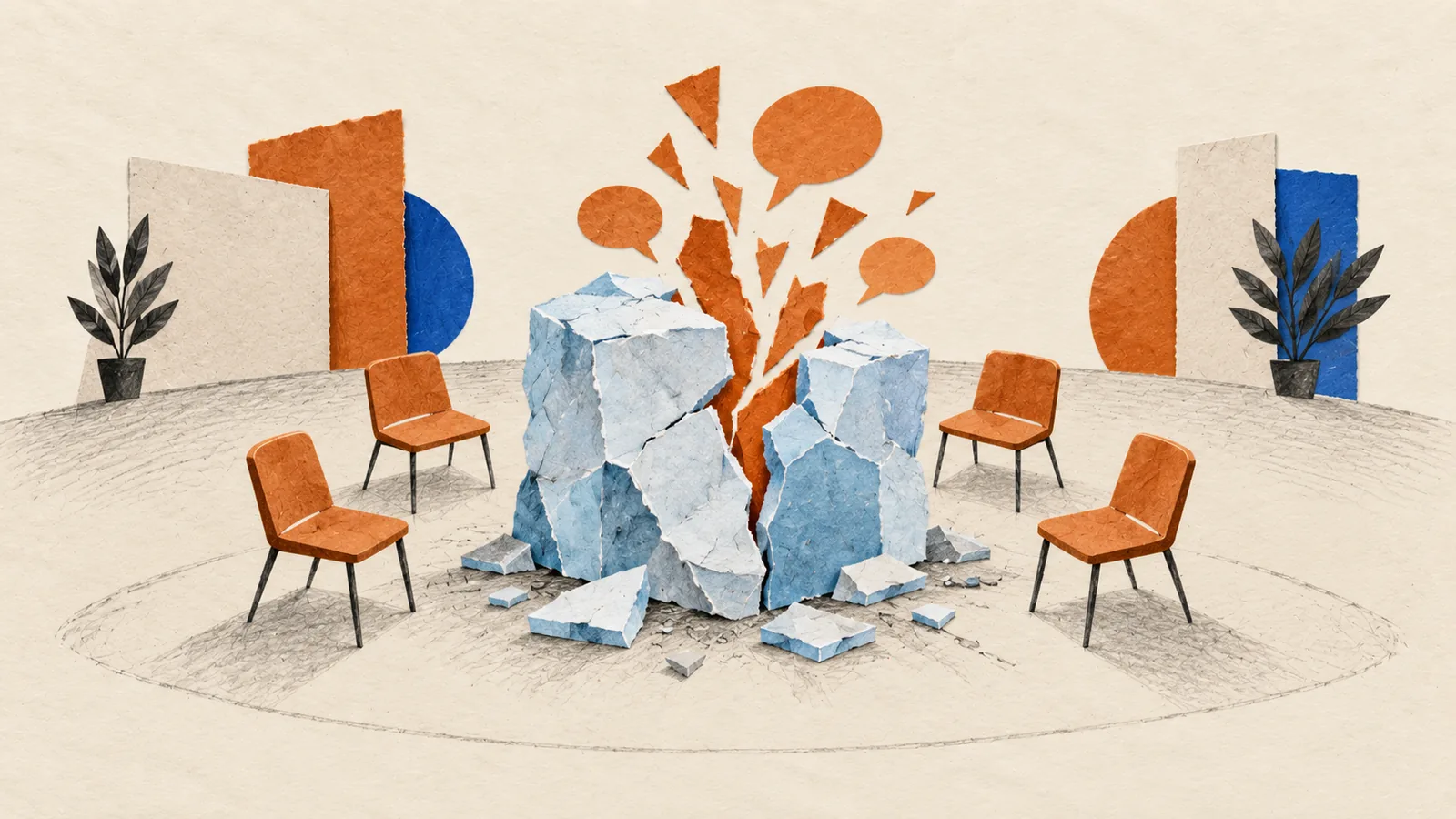
The best team building ice breaker games are short, low-pressure and easy for everyone to join. They take 10 to 20 minutes, use simple rules, and let people choose how much they share. Pick one that fits your group size and goal, keep the questions work-safe, and use it to warm the room up before your main activity.
This guide is about choosing and running ice breakers well at work in Singapore. It covers which games suit which situation, how to run them, and the questions to avoid. For longer games and full-day formats, see our separate list of team building games in Singapore. If you want the whole session planned and hosted, ask us for a team building proposal.
What an ice breaker should do (and what it should not)
An ice breaker has one job. It lowers the social barrier so people talk, laugh and feel ready for what comes next. It is a warm-up, not the main event.
A good ice breaker does three things:
- Gets every person speaking early. Once someone has said one sentence out loud, they are more likely to join in later.
- Mixes people who do not normally talk. Use it to break up department or seniority clusters.
- Sets the tone. Light, fair and inclusive at the start tells people the rest of the session will be the same.
A bad ice breaker does the opposite. It puts one person on the spot, asks for private details, or runs so long that people start checking their phones. Most of the cringe people associate with ice breakers comes from these three mistakes, not from the idea itself.
Pick the ice breaker by situation
There is no single best game. Match the ice breaker to who is in the room and what happens next. Here are practical options for common office situations.
A new team or new hires
People need names and one easy fact about each other. Use Name and One Thing: each person gives their name, role and one thing they enjoy outside work, such as a food or a hobby. Follow with Common Ground, where small groups find three things they all share. For a longer onboarding plan, read our guide to team building for new hires.
A mixed-seniority group
Junior staff often hold back when senior leaders are present. Choose games where everyone answers the same light question and leaders go first. Would You Rather with work-safe options works well, for example “work from a beach or a mountain cabin for a week”. Leaders answering honestly and with humour signals that the room is safe.
A large group of 50 or more
Whole-room sharing is too slow at this size. Split people into tables of six to eight and run the same game at every table. Human Bingo also scales well: each person gets a card of light prompts and finds colleagues who match them. Keep prompts neutral, such as “has tried durian” or “takes the MRT to work”.
A quiet or introverted team
Avoid solo performances. Use pair work first, then small groups. Draw It, Pass It asks each person to sketch a simple answer, such as their ideal lunch, then explain it to a partner. A team quiz on light topics also lets quieter people contribute without speaking to the whole room.
A virtual or hybrid session
Keep cameras optional and answers quick. Use chat-based prompts, polls or a Show and Tell where people hold up one object from their desk. For remote programmes beyond the warm-up, see our guide to virtual team building.
Seven ice breaker games that work in most offices
These games need little or no equipment and fit a meeting room, an event space or a video call. Each one can be run in 10 to 20 minutes.
- Two Truths and a Lie. Each person shares three short statements about themselves and the group guesses the false one. Encourage work-safe facts like places visited or skills learned.
- Common Ground. Small groups race to find three things every member shares that are not obvious. “We all work here” does not count.
- Would You Rather. Read out two light options and people move to one side of the room or vote in a poll. Ask one or two people to explain their choice.
- Human Bingo. A grid of neutral prompts that people fill by finding colleagues who match. Good for large groups and mingling.
- Team Quiz. Five to ten quick questions on general or company topics, answered in teams. It builds energy without singling anyone out.
- Draw It, Pass It. Each person draws a quick answer to a prompt and a partner explains what they think it shows. Laughter comes naturally.
- Line Up. The group arranges itself in order by something harmless, such as how far they travel to the office, without speaking. It is a quick problem-solving warm-up.
If you want a wider menu that includes longer challenges, compare these with our team building activities list.
How to run an ice breaker well
The game matters less than how you run it. A simple game run well beats a clever game run badly. Use these steps.
- Explain the purpose in one line. For example, “We have five minutes to meet people from other teams.” People relax when they know why they are doing something.
- Give clear rules and a time limit. State the rules once, show an example, then start. Announce when there is one minute left.
- Go first yourself. Model the kind of answer you want. A short, light answer from the host sets the level of sharing.
- Offer a pass. Tell people they can pass or give a simple answer. This makes it more likely that they will join in.
- Mix the groups on purpose. Use numbered cards or table plans so people do not sit with their usual colleagues.
- Link it to what comes next. End by connecting the warm-up to the main activity, such as “You will work with this group for the next challenge.”
When the session is longer or carries a goal such as trust or communication, a neutral host helps. See how facilitated team building adds observation and reflection to the activity.
Keep it inclusive and respectful
An ice breaker is part of a work event, so normal workplace standards still apply. TAFEP, the tripartite body on fair employment, lists harassment settings that include work-related occasions or events. It notes harassment can affect a person’s dignity or mental well-being. TAFEP also says workplace harassment can affect morale and productivity, and advises employers to have multiple reporting channels.
That has practical meaning for game design:
- No forced physical contact. Skip games that require touching, carrying or tight spaces unless people opt in.
- No embarrassing forfeits. Penalties that mock someone can turn a warm-up into a complaint.
- No probing personal questions. MOM lists five categories of protected characteristics in the Workplace Fairness Bill passed on 8 January 2025. They cover age, nationality, sex, marital and pregnancy status, caregiving, race, religion, language, disability and mental health conditions. Keep prompts away from these areas.
- Respect food, faith and access needs. If a game uses food, offer halal and vegetarian options. Choose formats that work for colleagues with limited mobility.
Ice breakers can also support well-being when they are done with care. The tripartite advisory on mental health and well-being at workplaces recommends appointing workplace mental well-being champions. Part of their role is to organise activities that enhance employee mental well-being. A thoughtful, optional ice breaker fits that intent better than a high-pressure one. For a deeper session on trust, see our page on psychological safety team building.
Common ice breaker mistakes to avoid
- Running too long. If the warm-up takes more than a third of the session, people lose patience. Cut it short.
- Using the same game every time. Repeat games feel like a ritual. Rotate between two or three options.
- Picking games for the loudest people. Design for the quietest person in the room, and the rest will still join.
- Ignoring the space. A movement game in a packed meeting room causes chaos. Check the room layout first.
- No link to the main activity. When the warm-up stands alone, people see it as a time-waster.
How ice breakers fit into a full team building day
For a half-day or full-day programme, plan the ice breaker as the first block of the run sheet. Use it to form the teams that will compete in the main activity. After lunch, a short energiser of five minutes helps people refocus. Close with a short reflection so the day ends with a clear takeaway.
If you are planning a bigger programme, the main cost drivers are group size, duration, venue, facilitation and materials. Ice breakers themselves add little cost, but a host and a well-planned run sheet make them work. For a tailored plan and quote, contact Get Out! Events.
Frequently asked questions
What is a good ice breaker game for team building at work?
A good one is short, has clear rules, works for every person in the room and lets people choose how much they share. Two Truths and a Lie, Common Ground and a quick team quiz all fit most office groups when you keep questions work-safe.
How long should a team building ice breaker take?
Keep most ice breakers to 10 to 20 minutes, including instructions. The aim is to warm the room up for the main activity, not to replace it. Stop while energy is still high rather than letting the game drag.
Which ice breakers work for introverts?
Pick games where people work in pairs or small groups, can prepare an answer, and are never forced to perform alone. Written or drawn answers, Common Ground in trios and team quizzes suit quieter colleagues better than solo spotlight games.
What ice breaker questions should I avoid at work?
Avoid questions about age, relationships, religion, health, money or family plans, and anything that pushes people to reveal personal details. In Singapore these touch on characteristics that workplace fairness rules protect, so keep prompts about work, food, travel or preferences.
Do we need a facilitator for ice breaker games?
Not for a short warm-up in a small team. A neutral facilitator helps when the group is large, mixed in seniority, new to each other or about to start a longer programme, because they can read the room and adjust the pace.