How to Shortlist an Event Venue: A 60-Second First Check

Use a 60-second first check to decide which venues deserve a closer look: compare event fit, guest access and the basic facilities listed by each venue. This is an initial shortlist, not a final venue choice. Confirm availability, capacity for your layout, a site walkthrough, full costs and contract terms before booking.
1️⃣ Match the Venue to Your Event Vibe 🎭
Is your event formal or casual? Corporate or creative? The venue should reflect your event’s personality.
- An industrial loft might be ideal for a startup demo night or tech meetup.
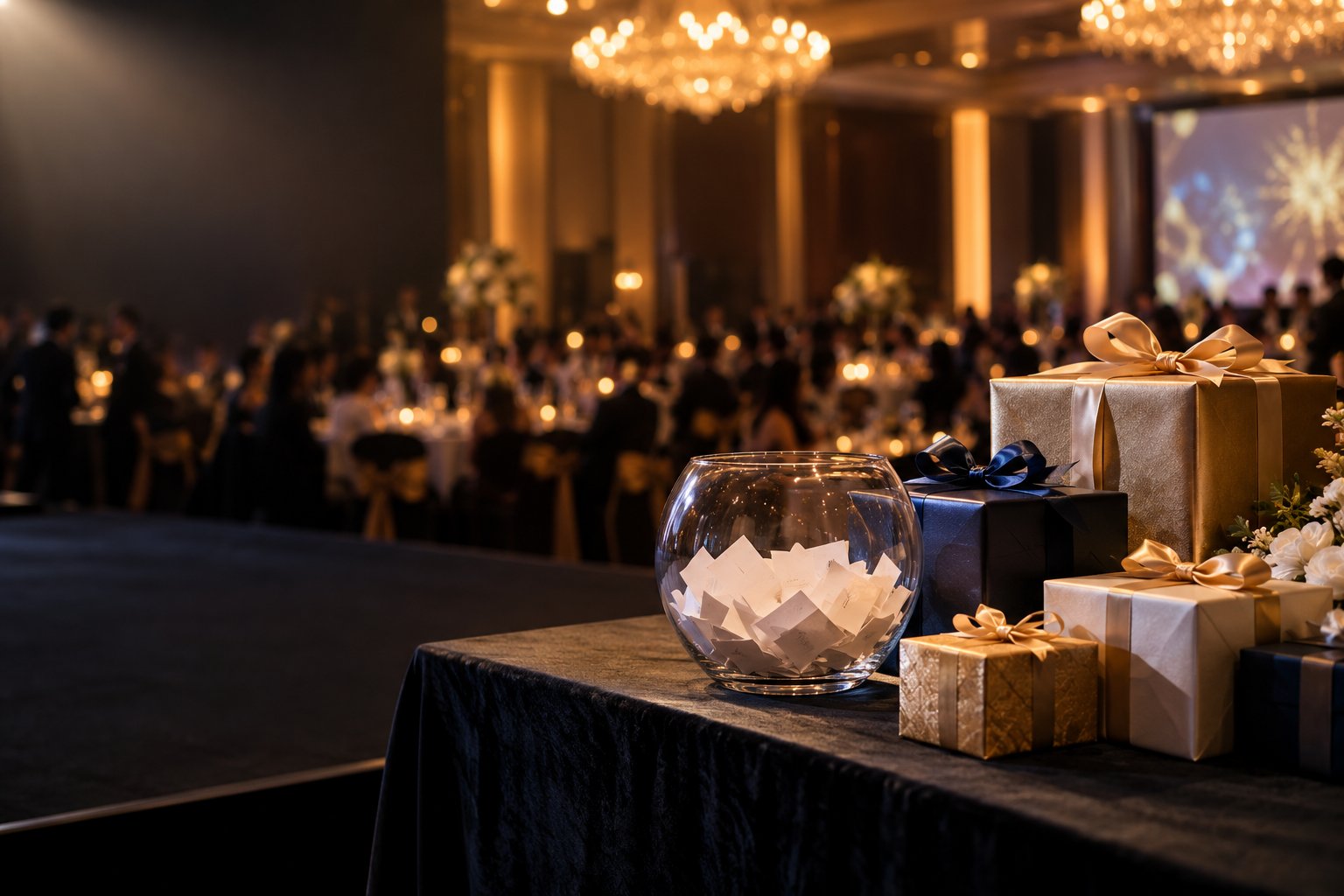
- A grand ballroom is better suited for galas or black-tie dinners — perfect for a polished corporate dinner and dance.
- A rooftop terrace works great for brand launches or networking mixers.
Visualize the vibe you want attendees to experience, and let that guide your venue shortlisting.
If you are still comparing spaces after these quick checks, use our corporate event venues in Singapore guide to compare capacity, costs, AV readiness, catering rules and location fit before shortlisting.
2️⃣ Consider Accessibility and On-Site Amenities 🚗
Your guests’ experience begins before they enter the room.
- Is the venue easily accessible by public transport or main roads?
- Does it have sufficient parking, ramps or lifts for accessibility?
- Are AV equipment, Wi-Fi, and catering options available on-site?
The fewer logistical headaches for your guests, the more successful your event will be.
3️⃣ Always Do a Venue Walkthrough with a Checklist ✅
Photos can be deceiving. A site visit is non-negotiable.
Bring a checklist and review:
If you are comparing venues for a conference, client event, or town hall, use our corporate event venue requirements checklist Singapore to confirm layout, AV, loading access, and contract details before you book. When the shortlist is down to one or two options, bring our event site visit checklist Singapore to the walkthrough so you can verify power, holding rooms, guest flow, and AV blind spots before you sign.
- Lighting (natural vs artificial)
- Acoustics (echoes, noise bleed)
- Layout flexibility
- Onsite facilities (like restrooms and loading docks)
A walkthrough helps you catch details you’d never see online—and saves you from last-minute surprises.
🎯 Final Tip: Let a Professional Handle Venue Sourcing
Save this list for your next venue search—it’ll keep you focused, efficient, and ready to lock it in fast.
Need help planning your next event? Our team’s done it all—from rooftops to resorts. A seasoned corporate event organiser will have existing relationships with venues across Singapore, giving you faster access and better rates. Let’s make your next one unforgettable.
Need Help With Your Next Event?
Get Out! Events is a leading event company in Singapore. We specialise in dinner and dance, team building, family days, and corporate event management. Get a free quote →
Looking for professional event management in Singapore? Discuss your event brief with Get Out! Events.
Planning checks after your initial venue shortlist
Start with the business objective, guest profile, expected attendance, budget range, approval timeline, and why this event format or venue is being considered.
The next layer is the guest journey. Confirm how guests receive information, where they arrive, how registration works, where the programme starts, how people move between segments, and what they should remember after leaving. This is the difference between listing an event idea and planning an event people can actually experience smoothly.
Operational checks should include supplier access, setup timing, room layout, AV needs, signage, holding areas, catering flow, photography points, wet-weather options, teardown timing, and who can approve last-minute changes. These details prevent avoidable confusion on the event day.
The organiser should also prepare a simple responsibility map. One owner should watch the guest experience, one should coordinate suppliers, one should manage programme timing, and one should handle internal stakeholder decisions. Clear ownership lets the host team focus on guests instead of becoming the emergency coordination desk.
After the event, keep a short debrief with what worked, what changed onsite, what guests asked for, and what should be improved. That record helps the company reuse the learning for future events instead of starting from memory each time.