The Human Connection in a Digital World: Why Team-Building Matters
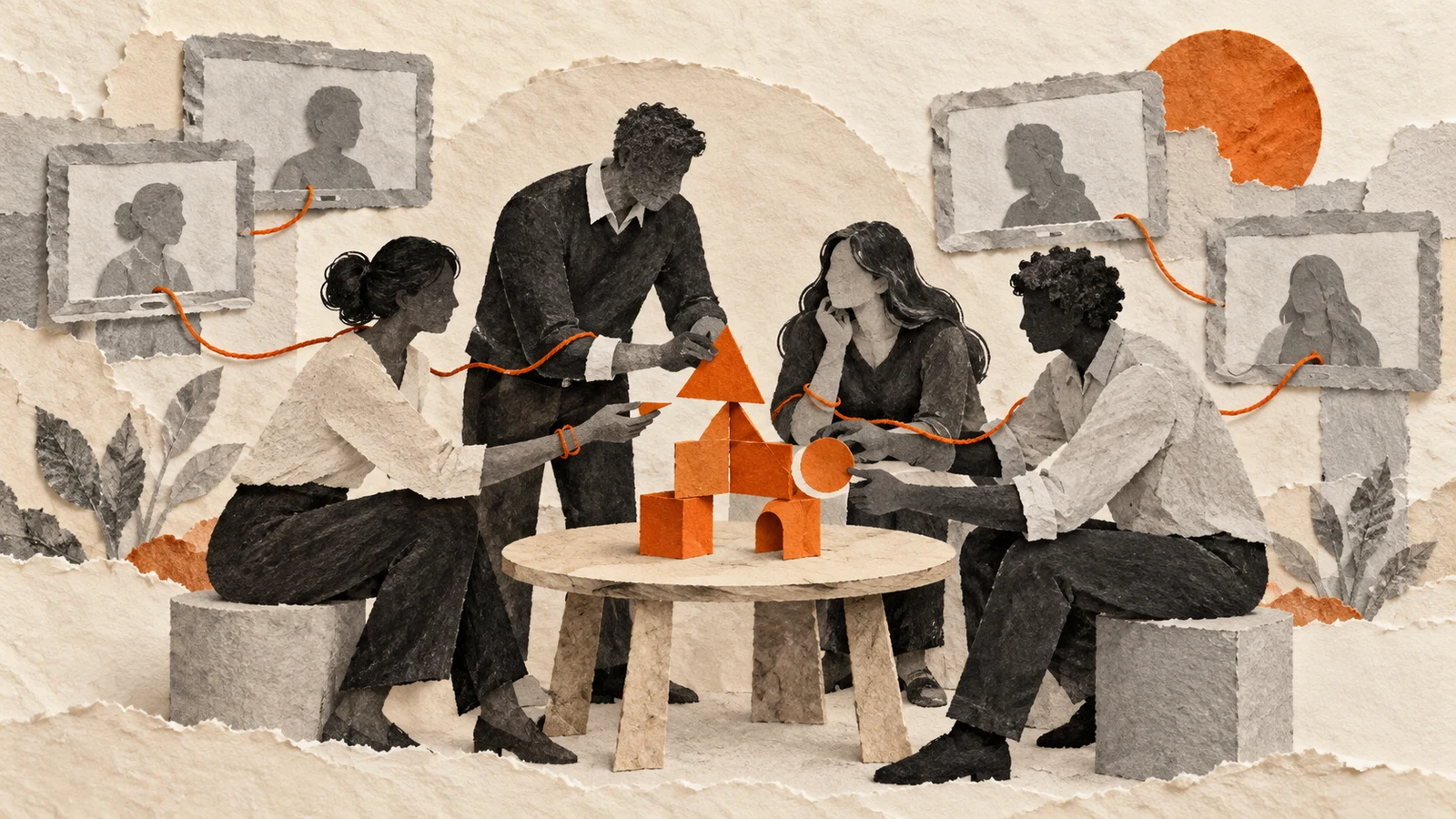
As co-founders, we’ve witnessed a seismic shift in how organizations operate. With remote work becoming the norm, the importance of human connection has only grown. Team-building events are no longer just an “extra”—they’re essential to fostering trust, collaboration, and innovation.
But it’s not just about gathering people in a room. True team-building requires intentionality. It’s about creating shared experiences that spark meaningful conversations and help teams discover each other’s strengths. High-energy formats like the Amazing Race Singapore are designed precisely for this — combining challenge, collaboration, and fun in a single programme. For us, the most fulfilling part of designing these events is watching the transformation—colleagues walk in as coworkers but leave as collaborators.
The future of work is hybrid, but the future of connection will always be human. Working with an experienced corporate event organiser in Singapore ensures these connection-focused experiences are designed with intention and delivered flawlessly. That’s why we’re passionate about creating experiences that bring people closer in a meaningful, lasting way.
The digital revolution promised to connect us all, yet paradoxically, many employees report feeling more isolated than ever before. Slack messages and Zoom calls facilitate work completion, but they rarely build the deep professional relationships that drive innovation, loyalty, and job satisfaction.
A Practical Approach to Human Connection at Work
Use a shared task to practise asking for help, explaining decisions and inviting quieter colleagues to contribute. Debrief which behaviours helped the team, then agree on one change to try at work. Do not assume that participation alone produces a measurable performance gain. These connections don’t form automatically—they require intentional cultivation through shared experiences that create psychological safety and mutual understanding.
When employees genuinely know each other beyond professional roles, they’re more likely to offer help during challenging projects, share innovative ideas, and provide honest feedback that drives improvement. This interpersonal trust becomes the foundation for high-performing teams that can navigate uncertainty and adapt to changing business conditions.
Professional team building activities in Singapore can provide a setting to practise these behaviours. Look beyond the icebreaker: specify the collaboration task, the debrief questions and the workplace follow-up before choosing an activity.
The Remote Work Paradox
Remote and hybrid arrangements change when and how colleagues interact. Identify which conversations, handovers and cross-team relationships need deliberate support instead of assuming that every team has the same experience.
A study by Yang and colleagues, published online in Nature Human Behaviour in 2021, analysed communication data from 61,182 US Microsoft employees during the first six months of 2020. It estimated that firm-wide remote work made collaboration networks more static and siloed, with fewer connections between different parts of the organisation. This was one company during a specific pandemic period; it does not establish that remote teams generally produce fewer innovations or that a team-building event reverses the effect.
Use that finding as a prompt to examine your own collaboration patterns. Ask where information is getting stuck, bring the relevant colleagues together around a shared task, and review the workplace follow-up. Keep event participation separate from evidence of improved innovation or performance.
Beyond Traditional team building: Creating Authentic Connection
Traditional team-building activities—trust falls, rope courses, and corporate retreats—often feel forced and artificial to modern employees. Today’s workforce, particularly millennials and Gen Z professionals, can immediately identify inauthentic experiences and often respond with cynicism rather than engagement.
Effective modern team-building focuses on creating authentic shared challenges that mirror real workplace dynamics while revealing individual strengths and working styles. These experiences should feel meaningful rather than mandatory, offering genuine value to participants beyond mere team bonding.
Vulnerability-Based Connection:
The most powerful team-building experiences create safe spaces for appropriate professional vulnerability. Activities that encourage team members to share challenges, learning experiences, or personal passions create deeper connections than generic problem-solving exercises.
Skill-Sharing Opportunities:
Events that allow team members to teach each other skills or share expertise create mutual respect and reveal hidden talents. These experiences often uncover unexpected capabilities within teams while building appreciation for diverse skill sets.
Community Impact Projects:
Team activities with external positive impact create shared meaning that extends beyond workplace relationships. Volunteering together or contributing to community causes builds connections through shared values rather than just shared employment.
Singapore’s Unique Team-Building Advantages
Singapore offers distinctive advantages for team-building activities that leverage the city-state’s multicultural environment, compact geography, and commitment to innovation. These local characteristics can enhance team-building experiences in ways that other locations cannot replicate.
Cultural Diversity as a Team Asset:
Singapore’s multicultural workforce naturally creates opportunities for cross-cultural learning within team-building experiences. Teams can explore cultural traditions, languages, and perspectives that exist within their own organization, building appreciation for diversity while strengthening professional relationships.
Urban Adventure Accessibility:
The compact nature of Singapore allows teams to engage in urban exploration activities that would be logistically impossible in larger cities. Teams can move between distinct neighborhoods—from historic Chinatown to modern Marina Bay—within single events, creating varied experiences that maintain engagement and energy.
Innovation Ecosystem Integration:
Singapore’s focus on innovation and technology provides unique opportunities for teams to engage with cutting-edge experiences. From smart nation initiatives to sustainable urban solutions, teams can participate in activities that connect their professional development with Singapore’s broader vision for the future.
Measuring the Impact of Human Connection
Evaluate connection-focused activities against a clear objective rather than assuming a standard business uplift. Record a baseline, choose an appropriate follow-up period and consider other changes that could affect the results. The measures below are options for evaluation, not promised outcomes.
Idea Sharing:
Choose a defined measure, such as how many team members contribute ideas during a project review and which ideas progress to a test. Ask whether people feel able to raise concerns. Compare the same process over time rather than treating an activity score as proof of workplace innovation.
Employee Retention:
Use existing retention data and confidential feedback to understand whether people feel supported by colleagues. Pay, management, workload and career opportunities also matter. Do not attribute a retention change or turnover-cost saving to a single team-building event without evidence.
Customer Service:
If the objective is better handovers or joint problem-solving, define the relevant service measure before the activity. Review customer feedback and handover failures over a consistent period, alongside staffing, process and workload changes. Keep observed results separate from claims about what caused them.
Designing Sustainable Connection Practices
One-off team-building events, while valuable, cannot sustain the ongoing relationship maintenance that remote and hybrid work environments require. Organizations must develop sustainable practices that continuously nurture human connection as part of regular business operations.
Regular Connection Rituals:
Implement weekly or monthly practices that prioritize relationship building over task completion. These might include skill-sharing sessions, cross-department collaboration projects, or informal social gatherings that allow organic relationship development.
Physical Space Design:
When teams do gather in person, optimize physical spaces for relationship building. Create areas specifically designed for casual conversation, collaborative work, and informal interaction rather than focusing exclusively on traditional meeting room configurations.
Leadership Modeling:
Leaders must demonstrate vulnerability and authentic connection in their own professional relationships. When leadership prioritizes genuine human connection, it gives permission for all team members to invest in relationship building without fear of appearing unprofessional or unproductive.
The Future of Human-Centered Work
As artificial intelligence and automation handle increasingly complex tasks, human capabilities like empathy, creativity, and collaboration become more valuable, not less. Organizations that recognize this shift and invest in human connection will develop competitive advantages that technology alone cannot replicate.
The companies thriving in hybrid work environments share a common characteristic: they’ve maintained focus on human relationships while leveraging technology for efficiency. They understand that digital tools should enhance human connection rather than replace it, and they invest accordingly in experiences that bring teams together meaningfully.
Singapore’s position as a global business hub provides an opportunity to model this human-centered approach to work for organizations worldwide. By demonstrating that productivity and profitability increase when human connection is prioritized, Singapore-based companies can influence global workplace practices while building stronger, more resilient teams.
The transformation from coworkers to collaborators isn’t automatic—it requires intentional effort and ongoing investment. However, the returns on this investment, measured in innovation, retention, and workplace satisfaction, make human connection one of the most valuable assets any organization can develop.
In a digital world where authentic connection has become rare, organizations that prioritize human relationships create environments where employees don’t just work—they thrive. This is why team building in Singapore has evolved beyond simple activities to become a strategic investment in the future of work, building the human connections that will drive business success in an increasingly connected yet disconnected world.
From human connection to safer team conversations
Connection becomes more durable when teams can ask for help, disagree respectfully and surface concerns early. A guided workshop gives participants a practical setting to rehearse those behaviours together.
- Psychological safety workshop Singapore — for speaking up, candour and respectful challenge.
- Corporate training workshop Singapore — for activity-led learning with workplace transfer.
- Facilitated team building Singapore — for structured activities, observation and debrief.
- Team bonding workshop Singapore — for connection, collaboration and guided reflection.